MATERNAL & INFANT HEALTH • AFRICA
Information that saves mothers and babies.
Iye Africa is committed to eradicating maternal and infant mortality in Africa by providing life-changing information that empowers women to make informed health decisions.
THE PROBLEM
Around 70% of the world’s maternal deaths happen in sub-Saharan Africa — and most are caused by conditions that timely information and care can prevent.
Source: World Health Organization, Maternal Mortality Fact Sheet (2024)
Behind every figure is a woman who did not know the warning signs, could not reach care in time, or was never told what her body was telling her.
The gap is rarely willingness. It is information — clear, trusted, and delivered in a way that reaches her where she already is.
Where information travels, mothers and babies survive.
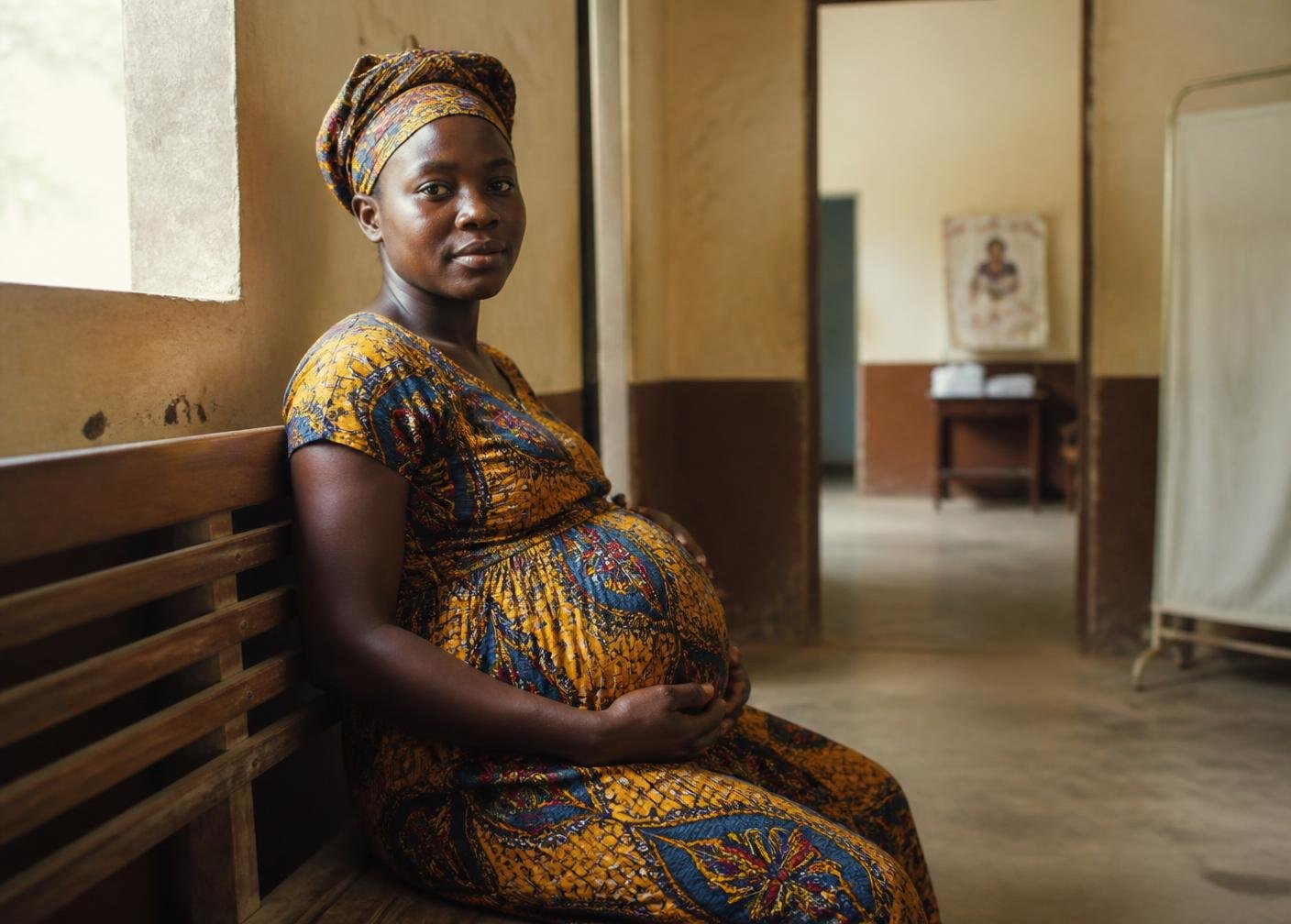
The problem → the human impact → the need for information.
Nigeria alone accounts for roughly a quarter of global maternal deaths, and around 1 in 3 births still happens without a skilled attendant present. Radio remains the single most widely available source of information in the communities we serve — which is exactly where we begin.
THE DOCUMENTARY
Why this matters
Across Africa, mothers and babies are lost to causes that information can help prevent. This short film follows the women at the centre of that story — and the knowledge that changes what happens next.
WHO WE ARE
A voice for African mothers, built on information.
Iye Africa is committed to eradicating maternal and infant mortality in Africa through the provision of life-changing information that empowers women to make informed health decisions.
The name Iye speaks to the bond between a mother and her child — the relationship at the centre of everything we do.
See how we work
MISSION
“At Iye Africa, we are committed to eradicating maternal and infant mortality in Africa through the provision of life-changing information that empowers women to make informed health decisions.”
VISION
“A future where no African mother or child dies from childbirth because every woman has access to the information that safeguards her health and that of her child.”
WHAT GUIDES US
Six values, one commitment.
People
Every mother is a person before she is a statistic. We design everything we make around her life, her language and her time.
Compassion
We speak without judgement or fear. Health information should feel like a hand held, never a lecture given.
Innovation
We use radio, film and social platforms creatively so that clear guidance reaches homes that clinics and campaigns often miss.
Community
We work with local health workers, women's groups and faith leaders — the people mothers already trust.
Care
We tell stories with consent and dignity, protecting the privacy of the women and families who share them with us.
Impact
We measure success by informed decisions and healthier outcomes for mothers and babies, not by views alone.
OUR WORK
Information, carried to the women who need it.
01
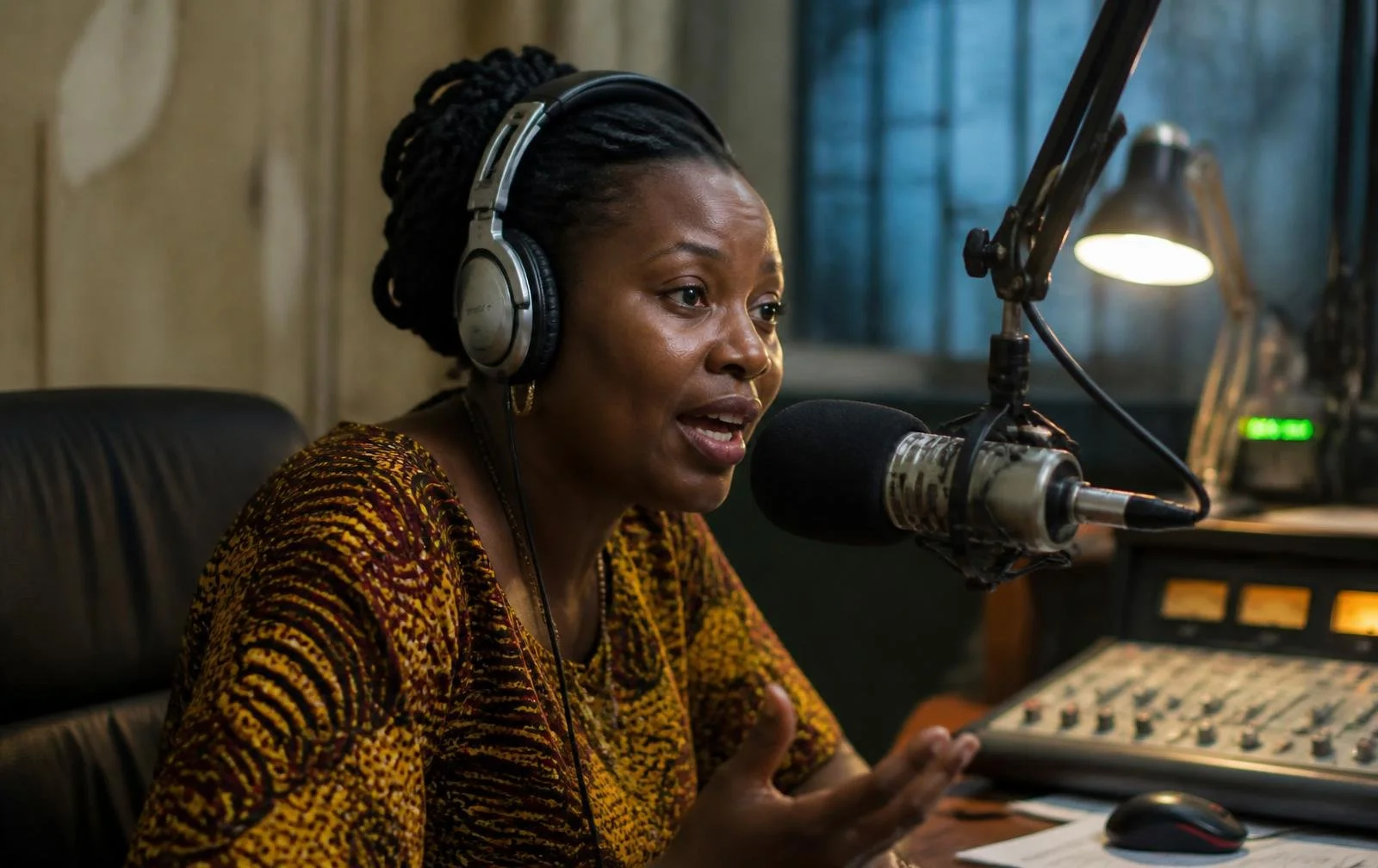
Health Education
Plain-language guidance on pregnancy, danger signs, safe delivery, newborn care and breastfeeding — delivered in group sessions, printed guides and short films women can share.
02
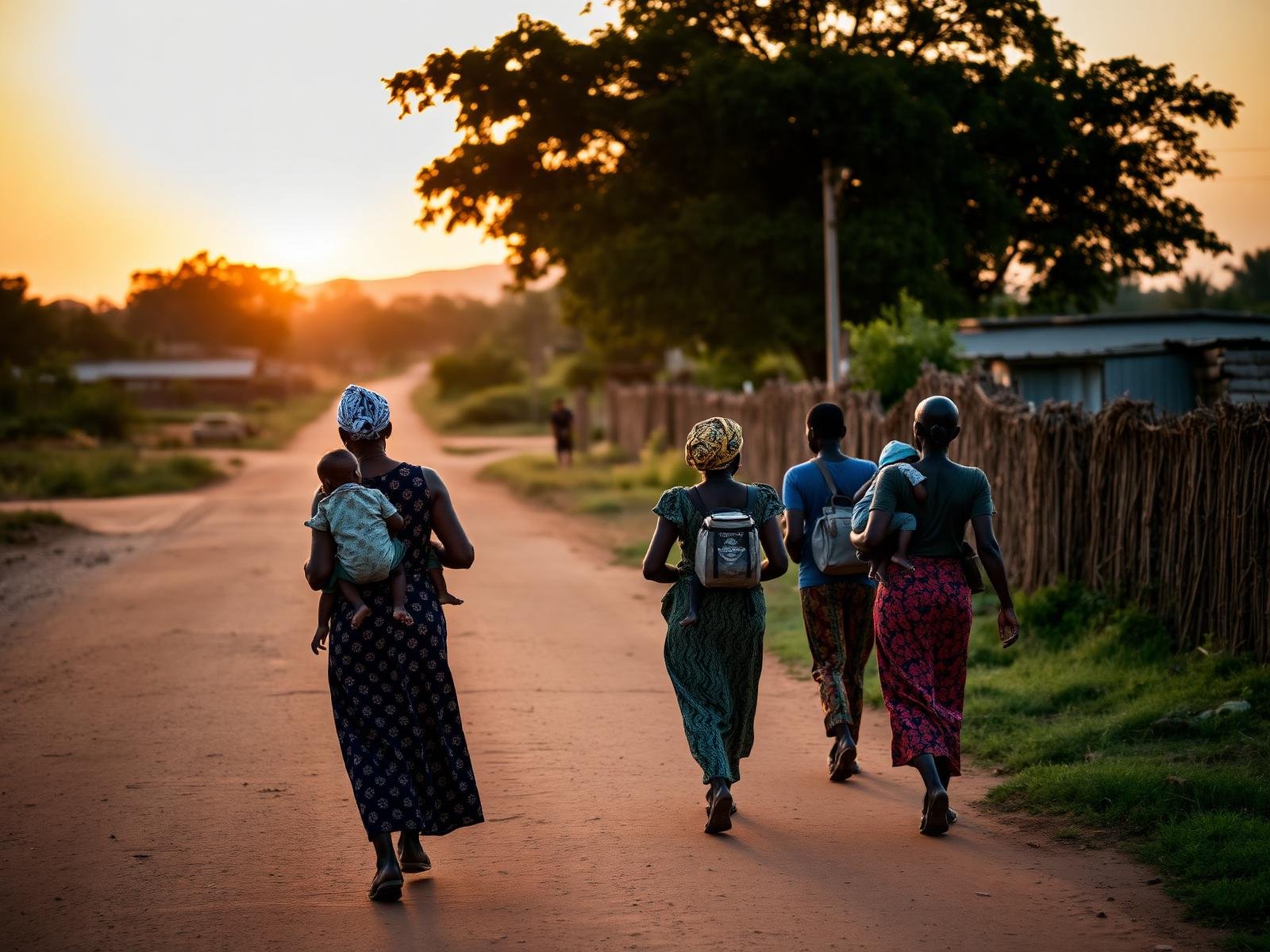
Radio Programmes
Weekly maternal and infant health programmes broadcast in local languages across 16+ Nigerian stations, with listener questions answered on air by health professionals.
03
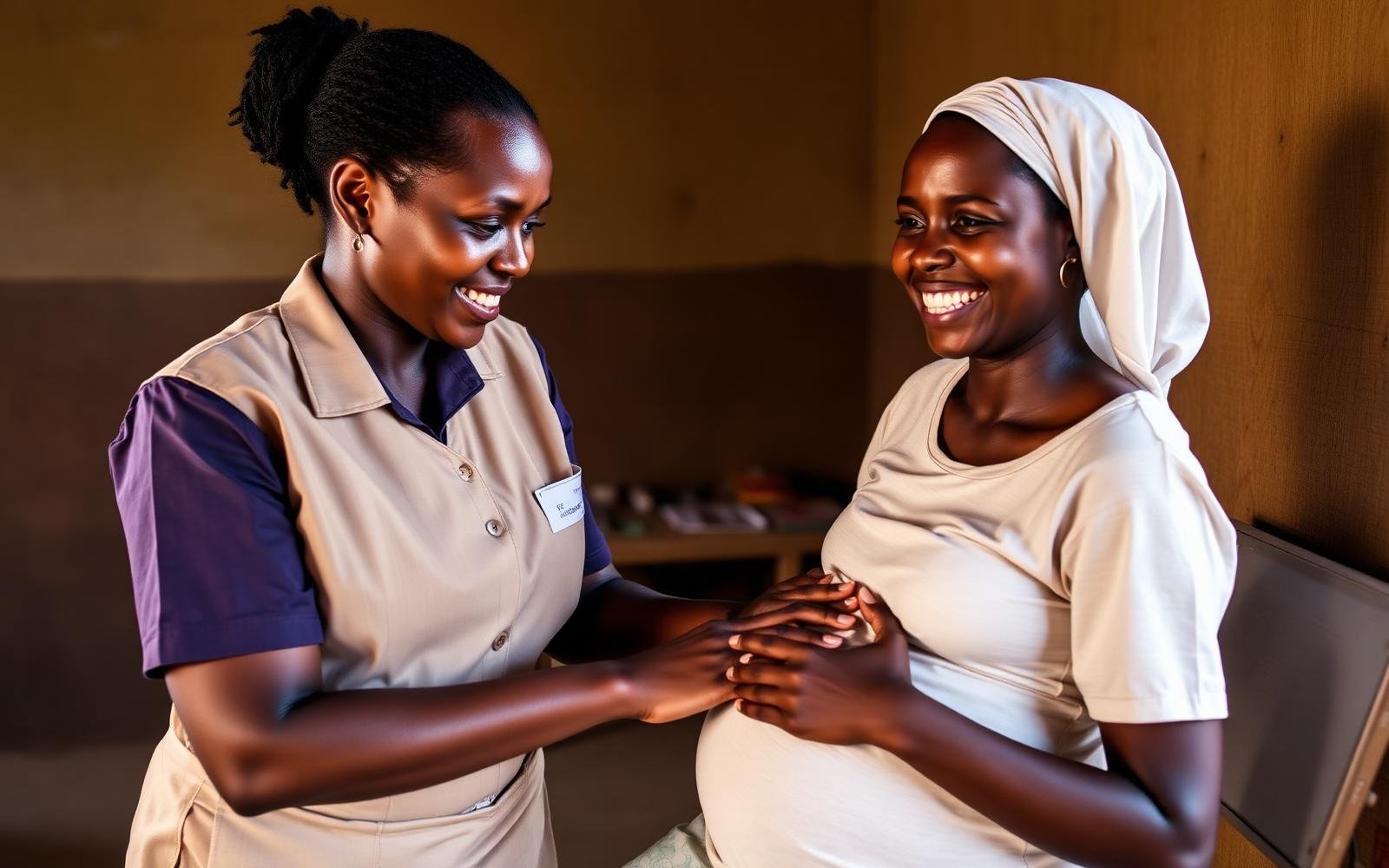
Community Reach
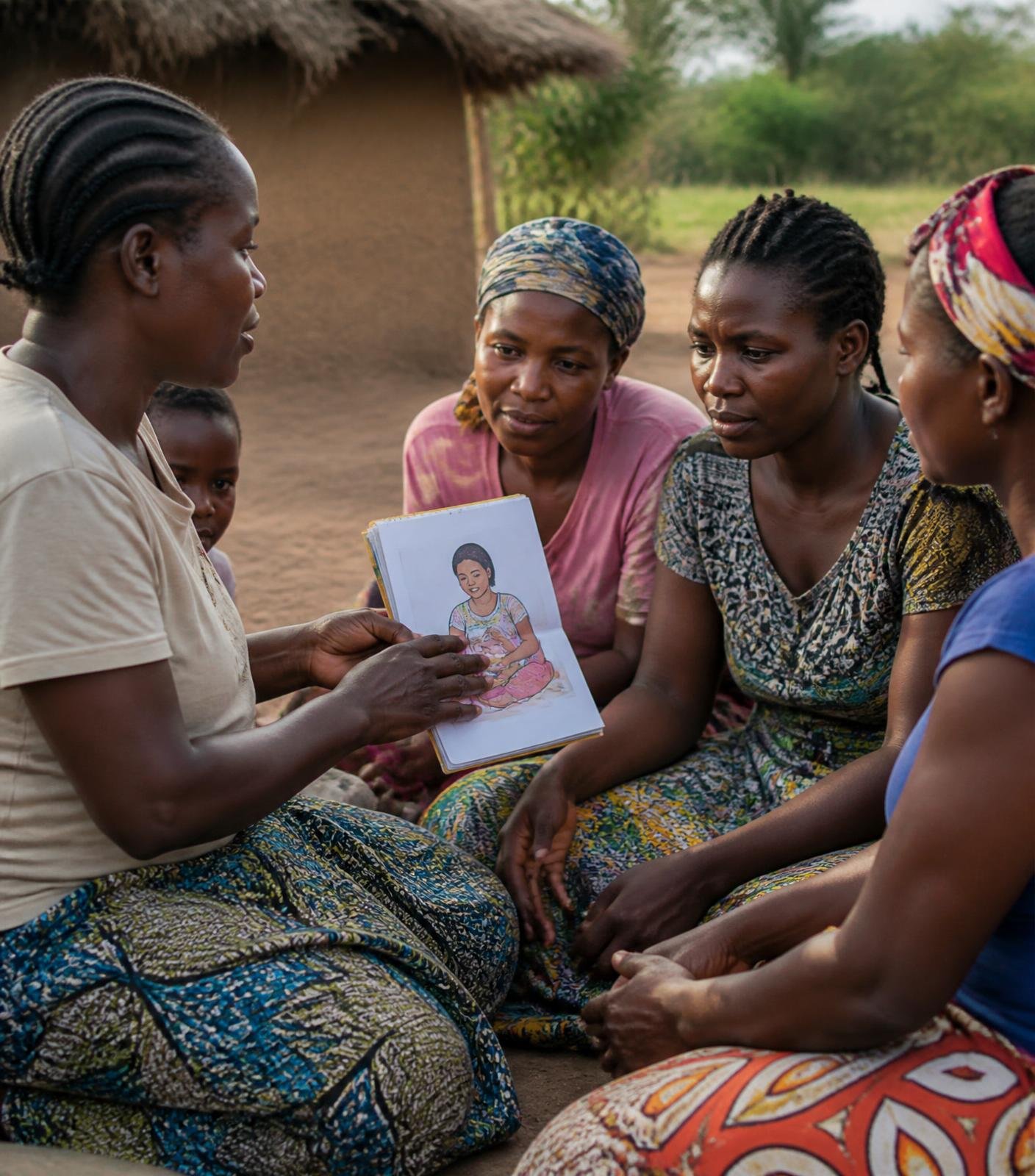
Outreach in markets, places of worship and women's groups, partnering with community health workers so that information travels through the networks mothers already trust.
04
Information & Empowerment
Documentary storytelling and social campaigns that turn knowledge into confidence — so a mother recognises a warning sign early and knows exactly what to do next.

ON AIR
16+
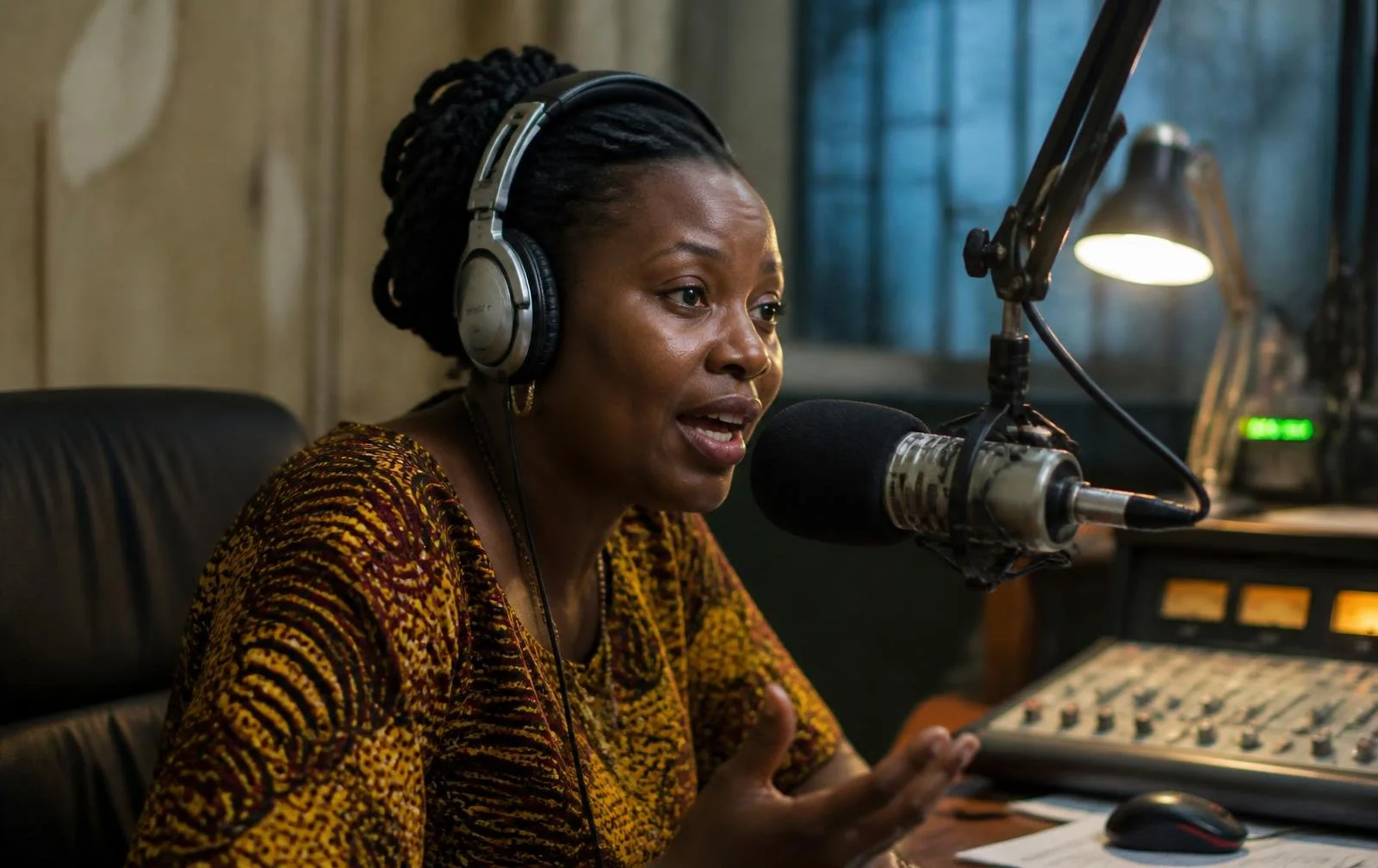
Radio reaches women in their own language, in their own homes, at the hours they are listening.
Broadcasting in Hausa, Yoruba, Igbo, Pidgin and English across Lagos, Kano, Kaduna, Oyo, Enugu, Rivers and the FCT.
Radio stations across Nigeria
OUR IMPACT
Measured in mothers, not impressions.
Women reached
Communities reached
Programmes delivered
Radio stations
OUR STORIES
Told by the women who lived them.
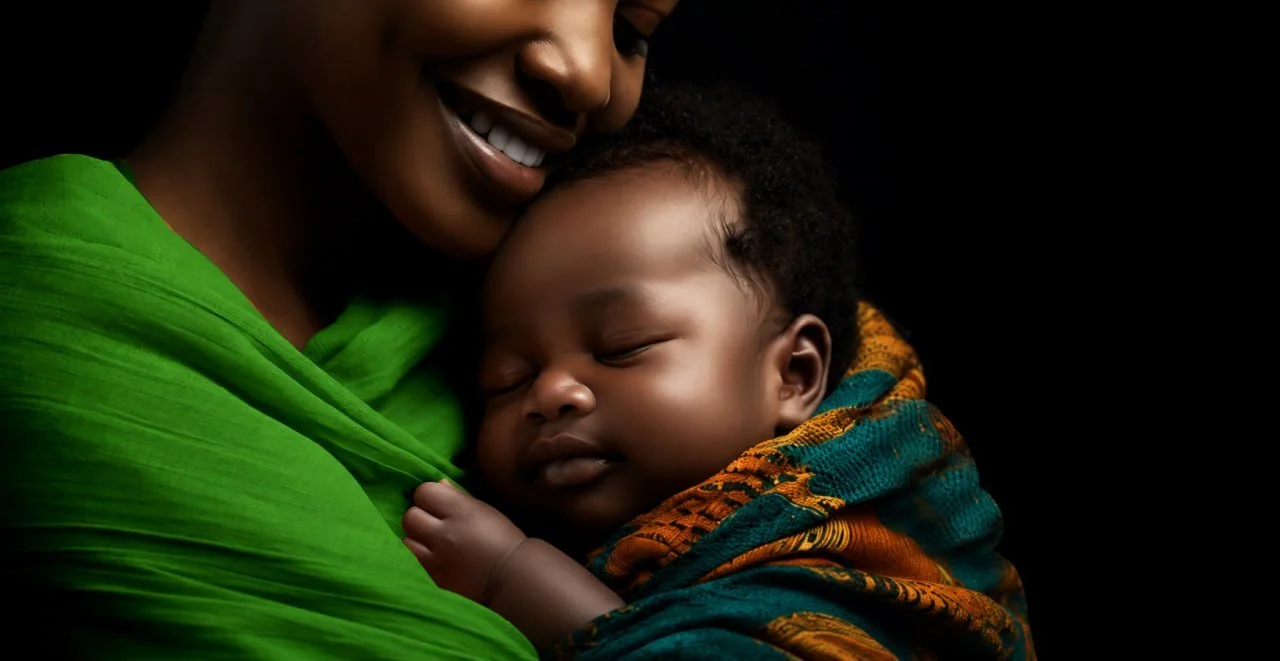
“I heard the programme on the radio while I was cooking. When the swelling started, I knew it was not normal. I went to the clinic that same evening — and my daughter is here because of it.”
Halima · Kano State
“Nobody had ever explained my own body to me. Now I am the one explaining it to the other women on my street.”
Blessing joined an Iye Africa health education session in Ikorodu during her second pregnancy. She learned to track her baby’s movements, recognise the signs of pre-eclampsia and prepare early for delivery. She now leads a small listening group of fourteen women who gather each week for our radio programme.
Blessing · Ikorodu, Lagos
“When a mother knows, she does not wait. And when she does not wait, she lives.”
Mrs. Adeola Ogunyemi, community midwife · Ibadan, Oyo State
PHOTO STORY
A documentary record of the work.
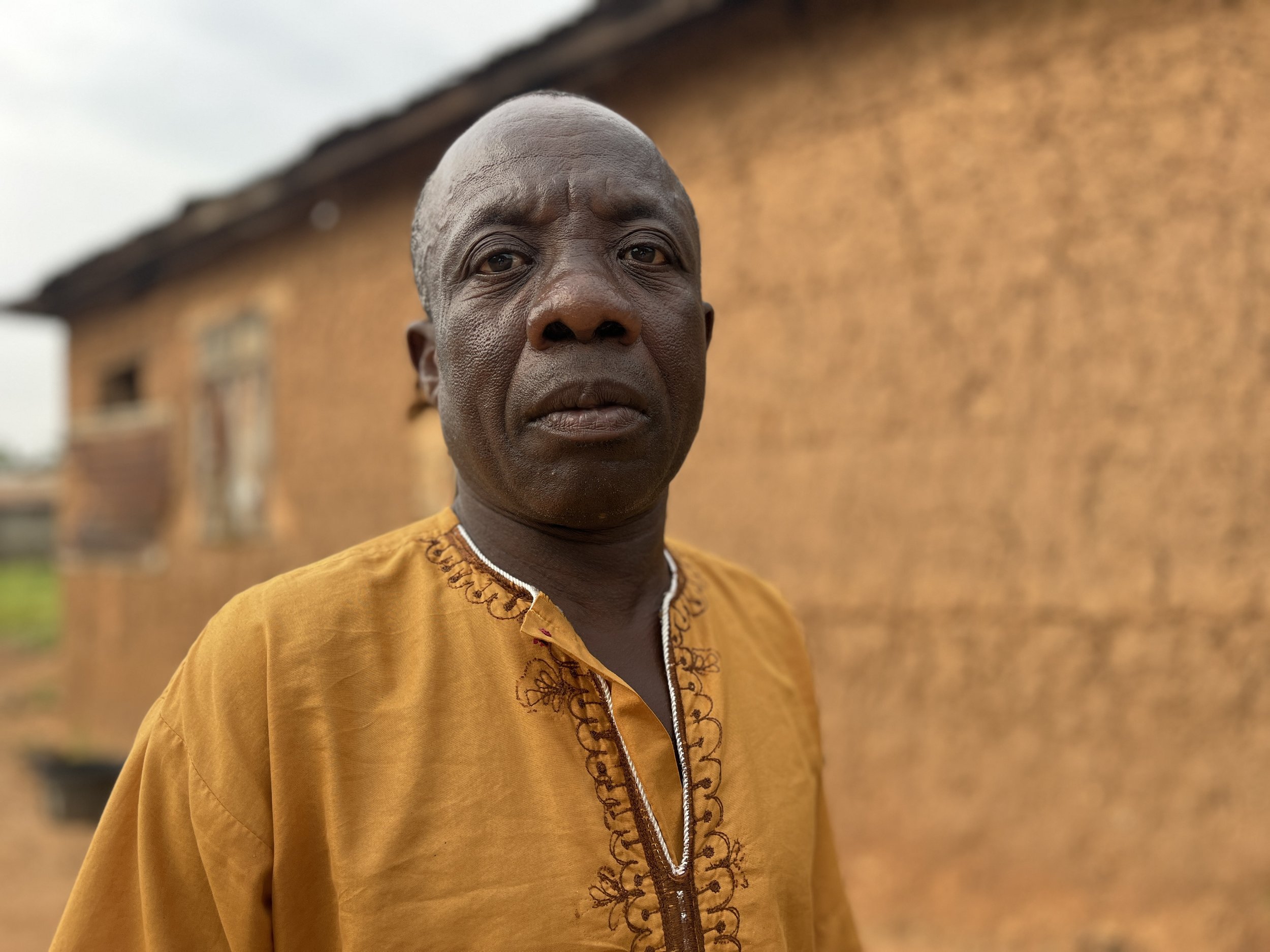
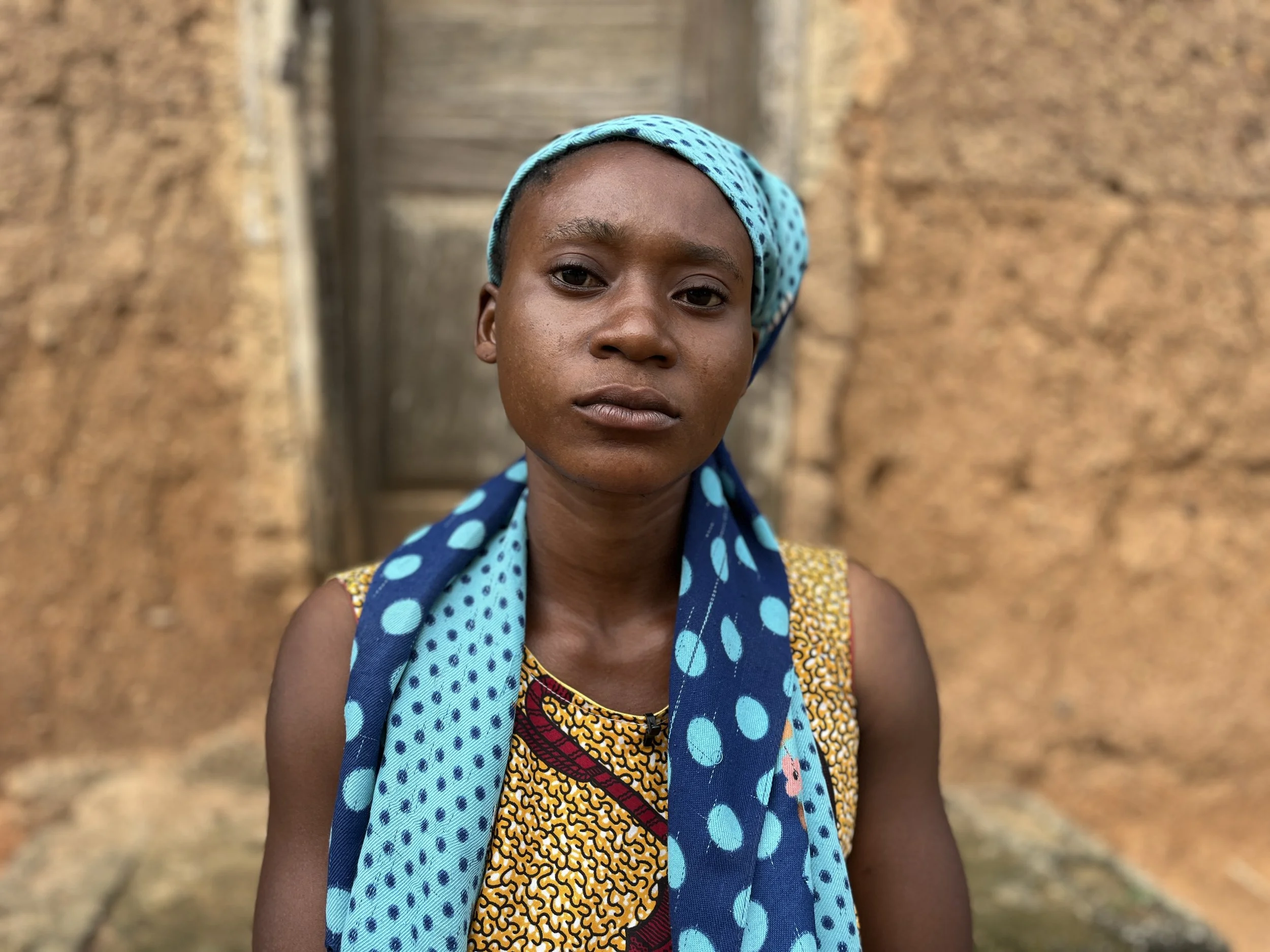
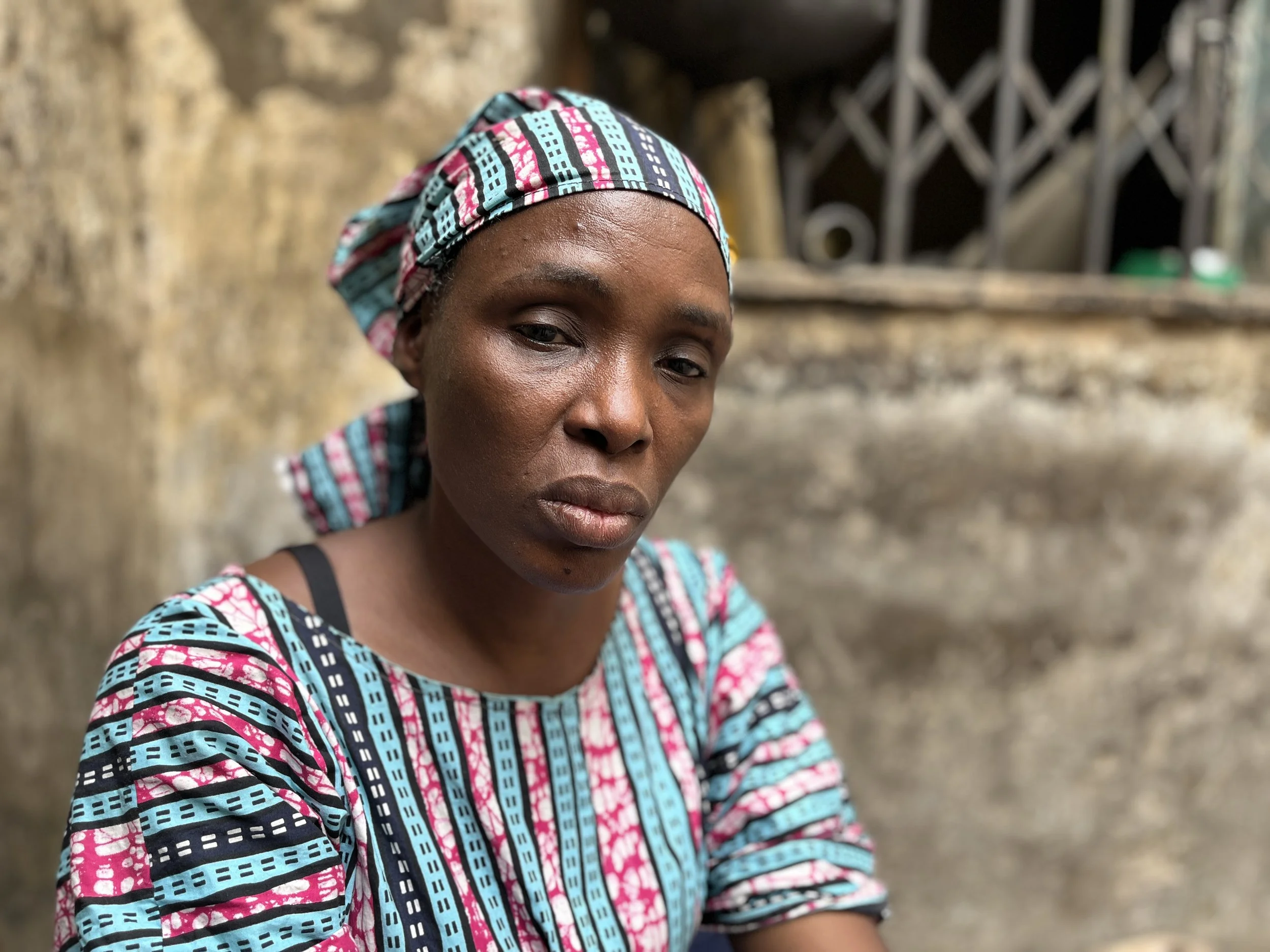
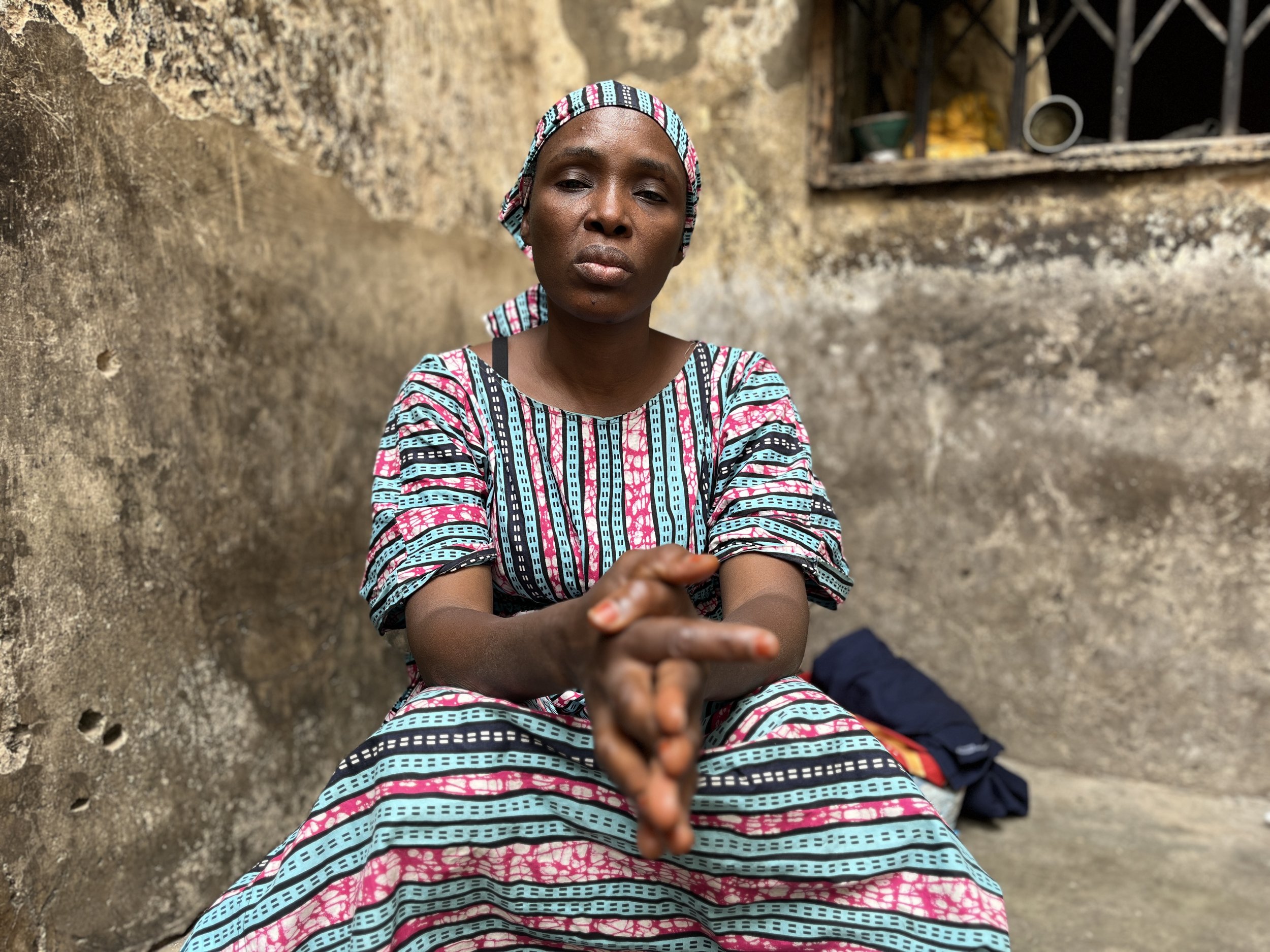
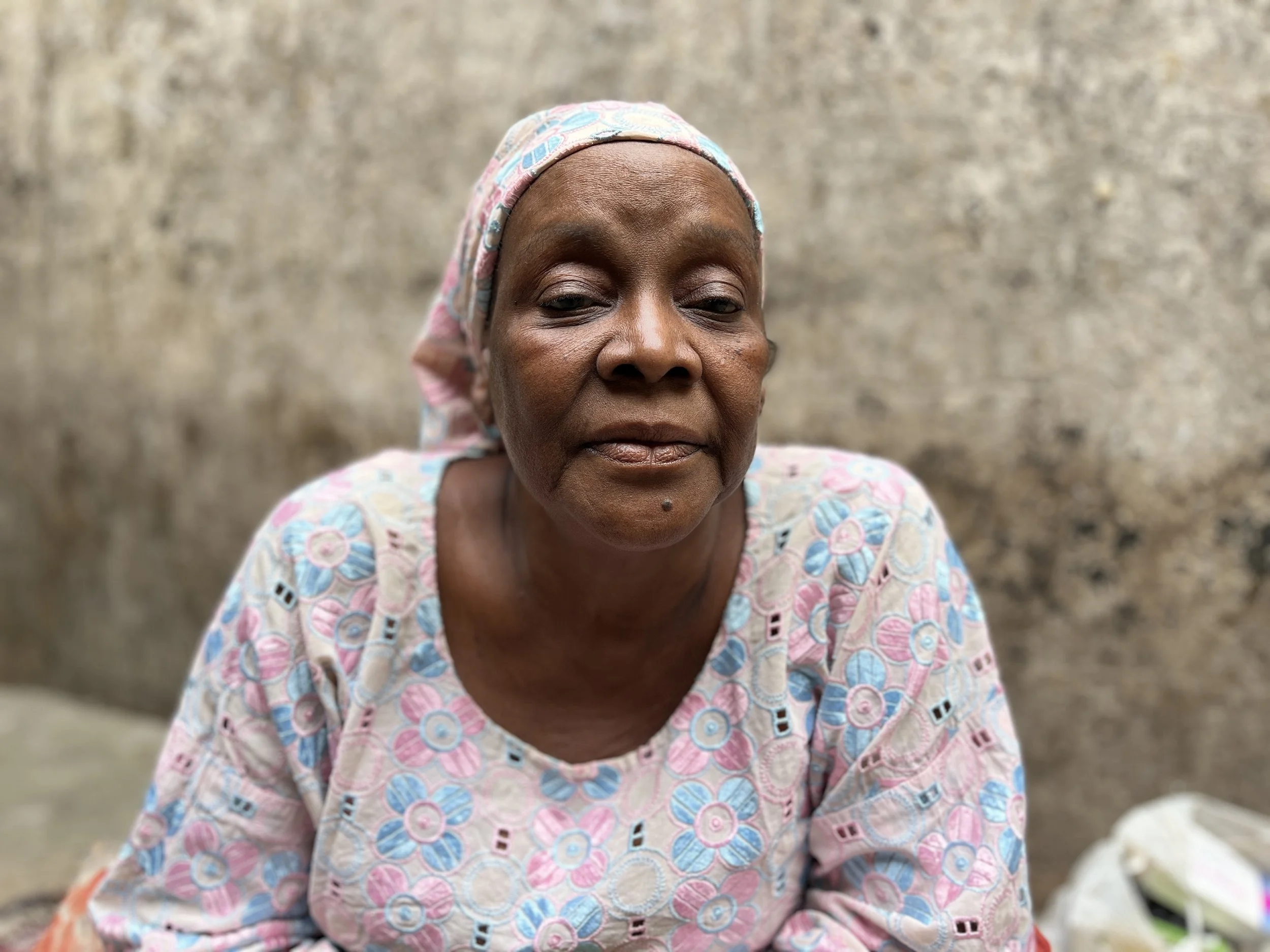
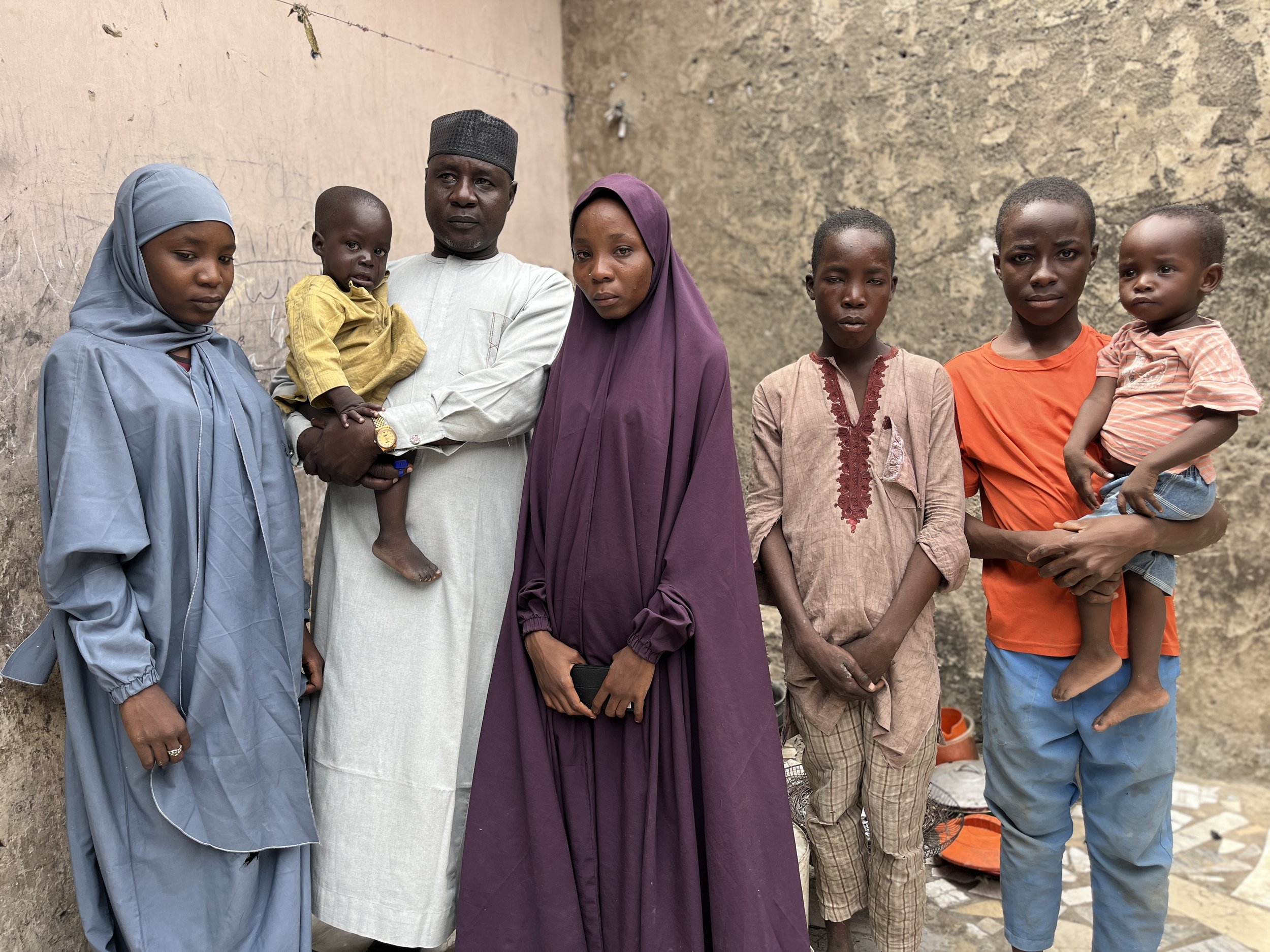
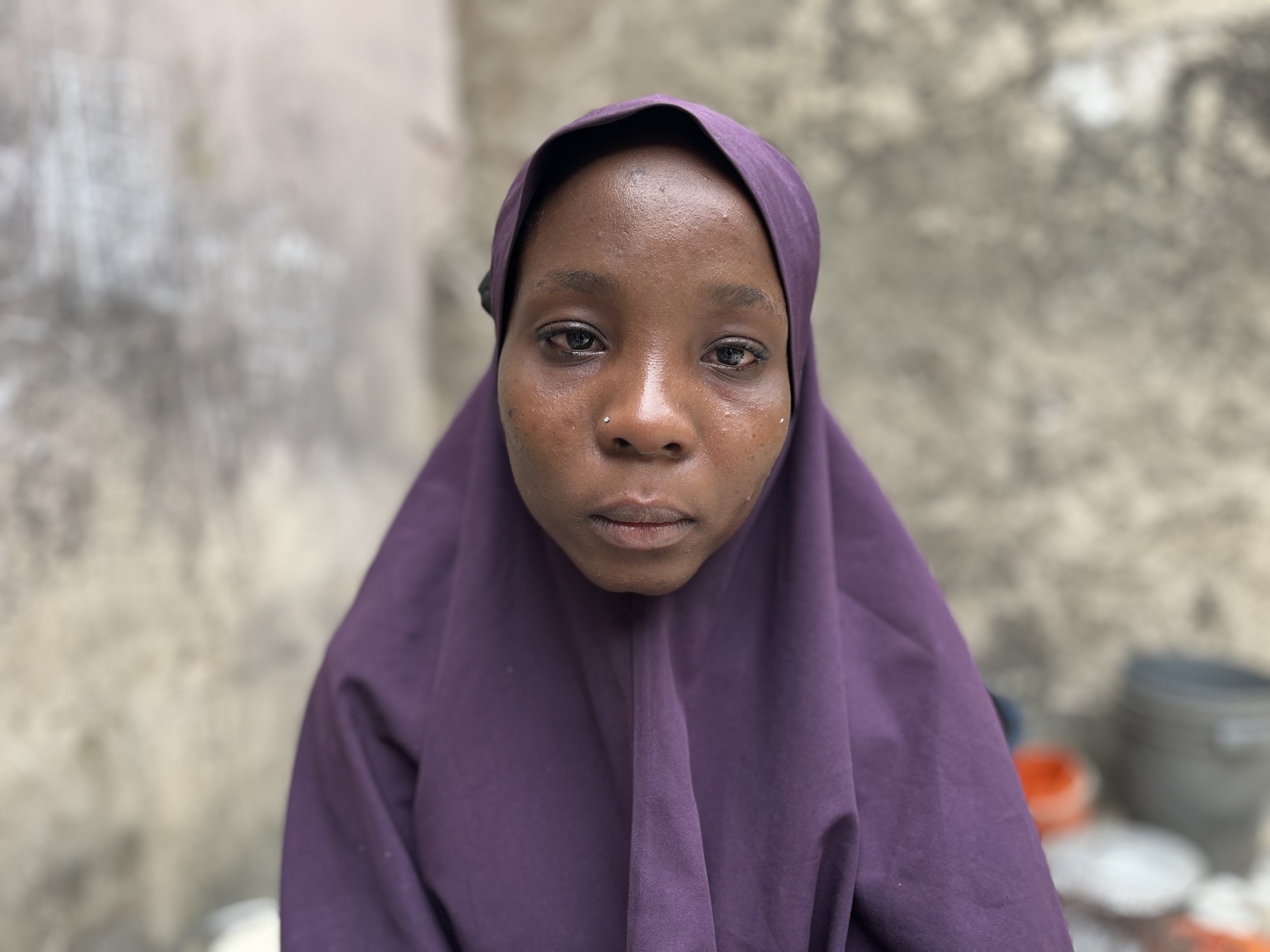
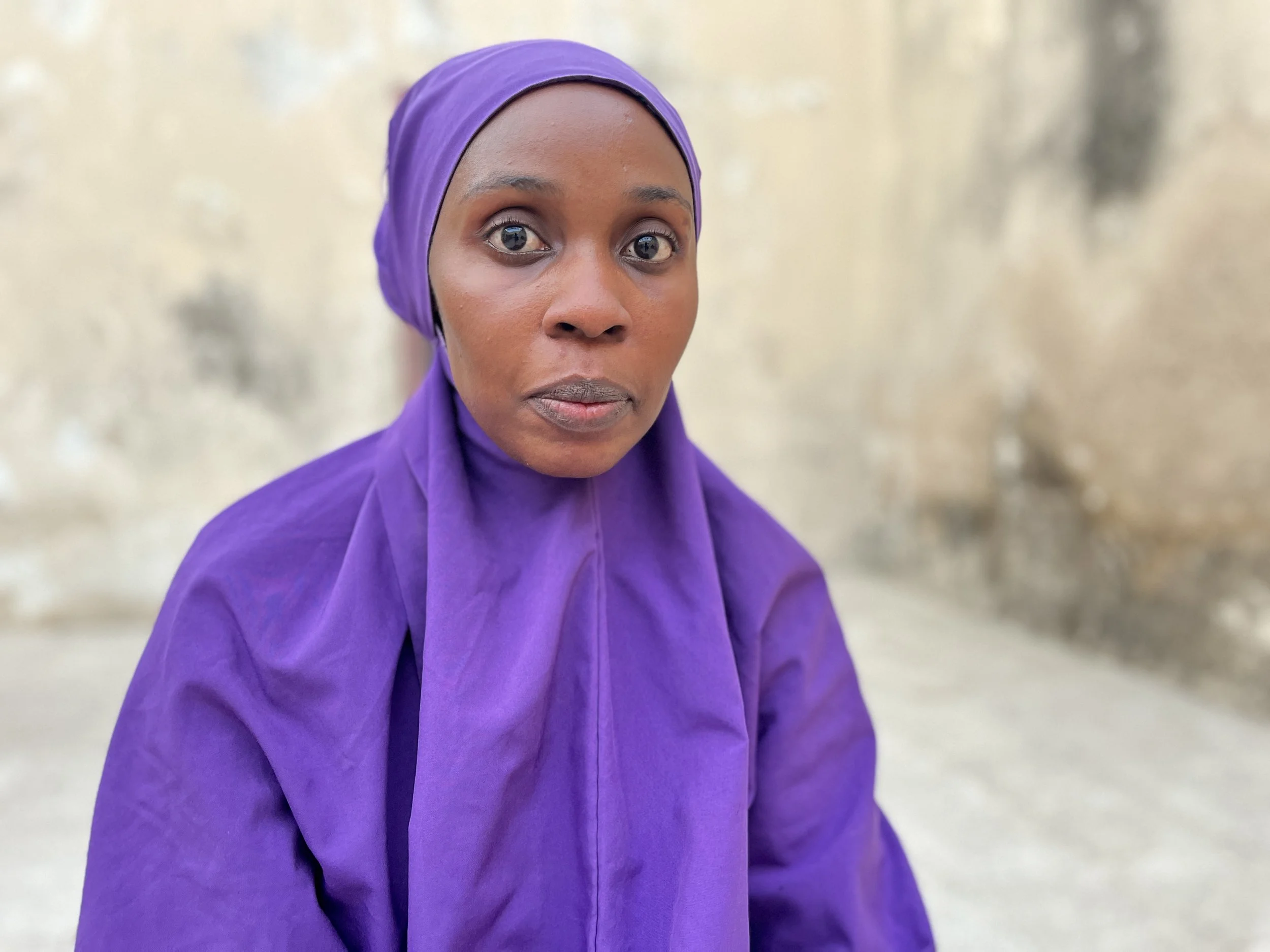
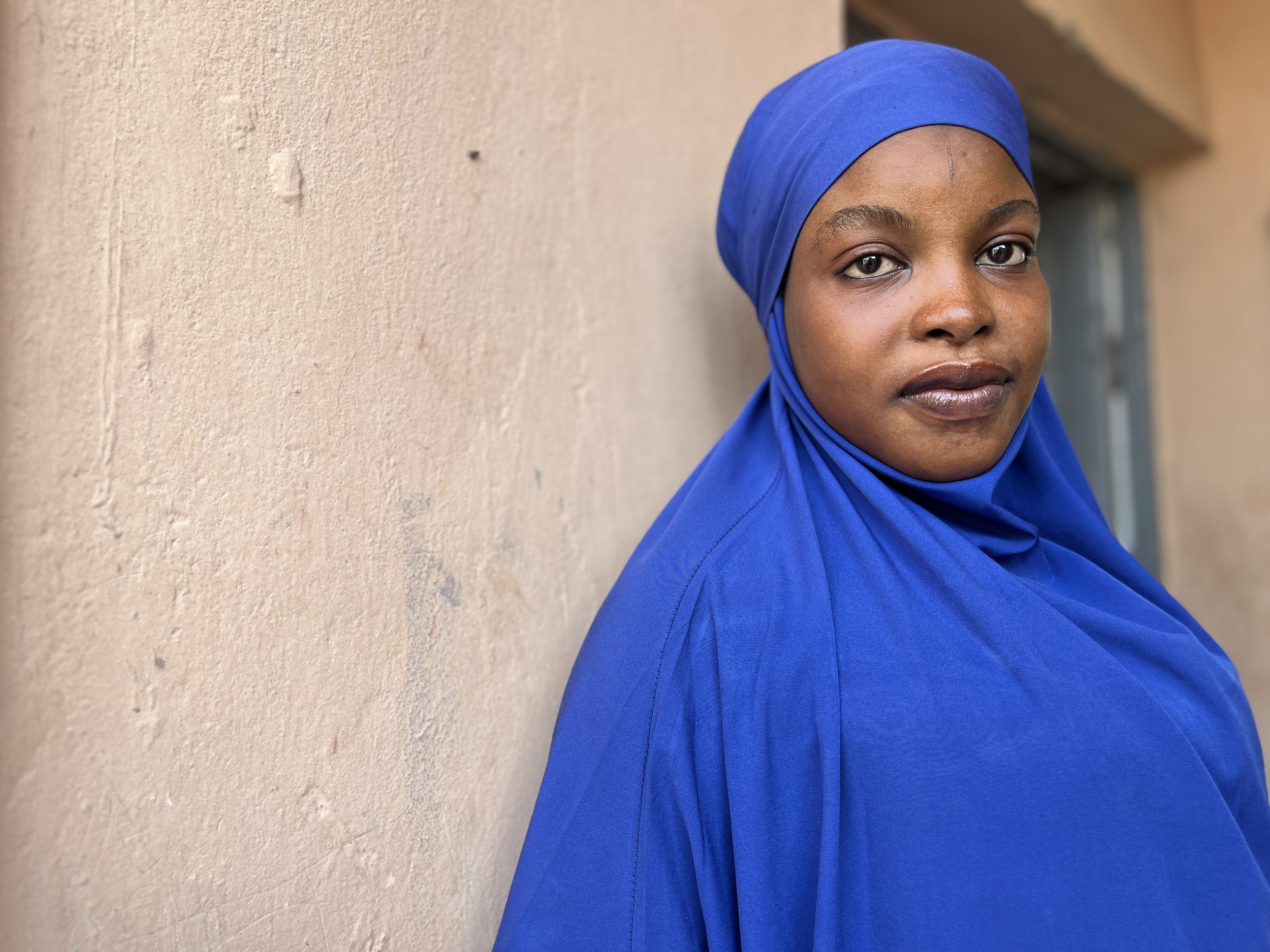
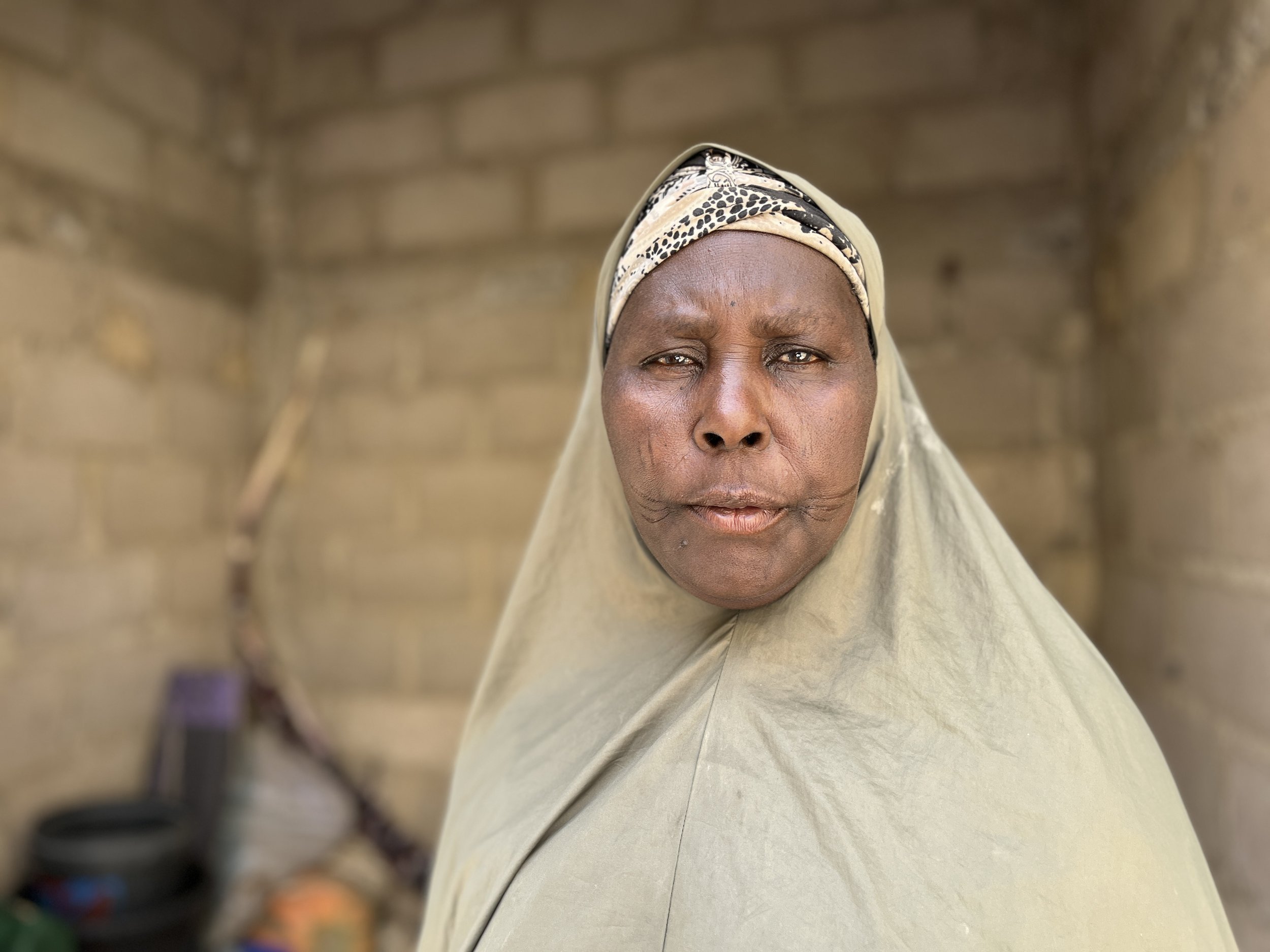
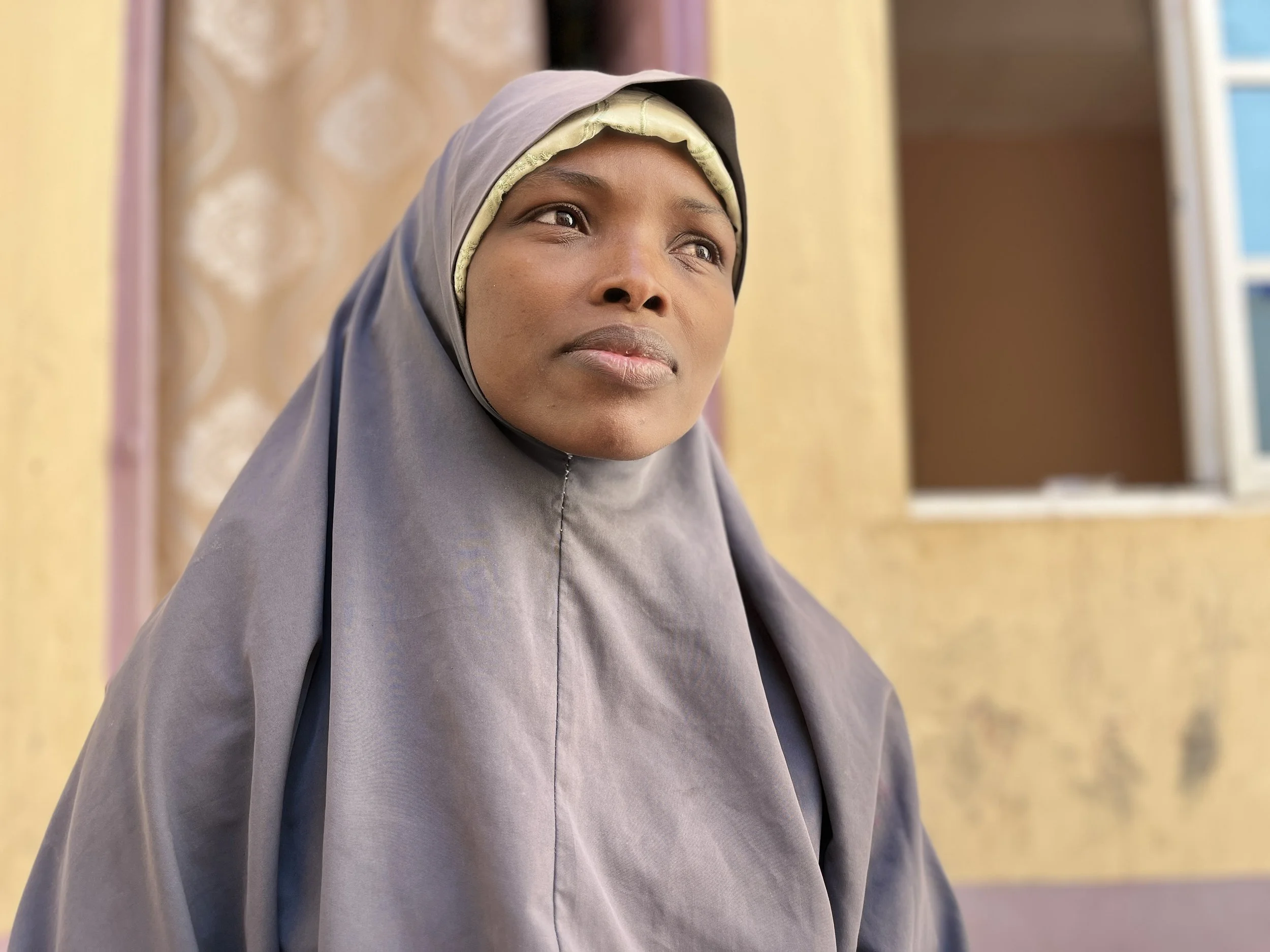
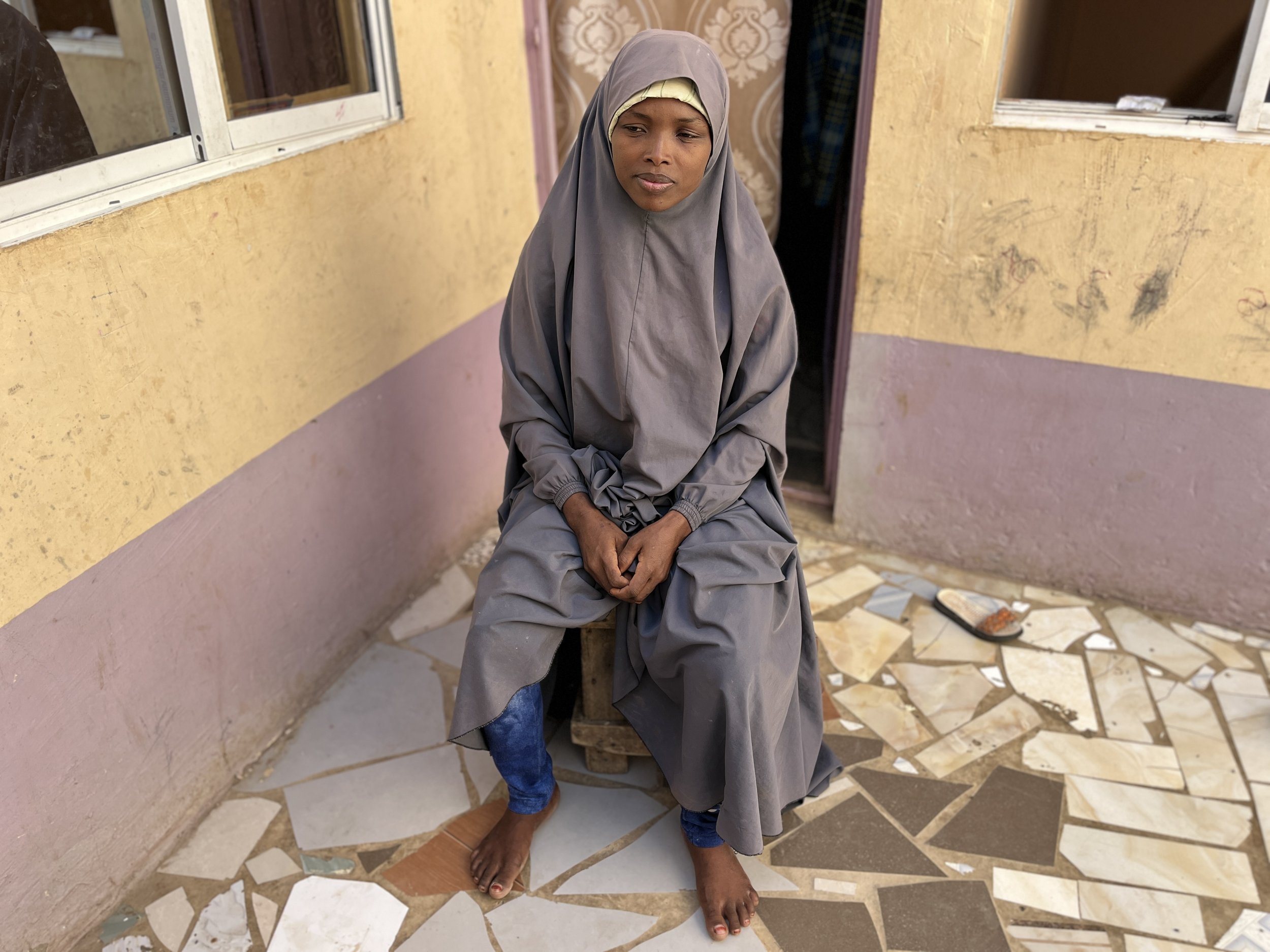
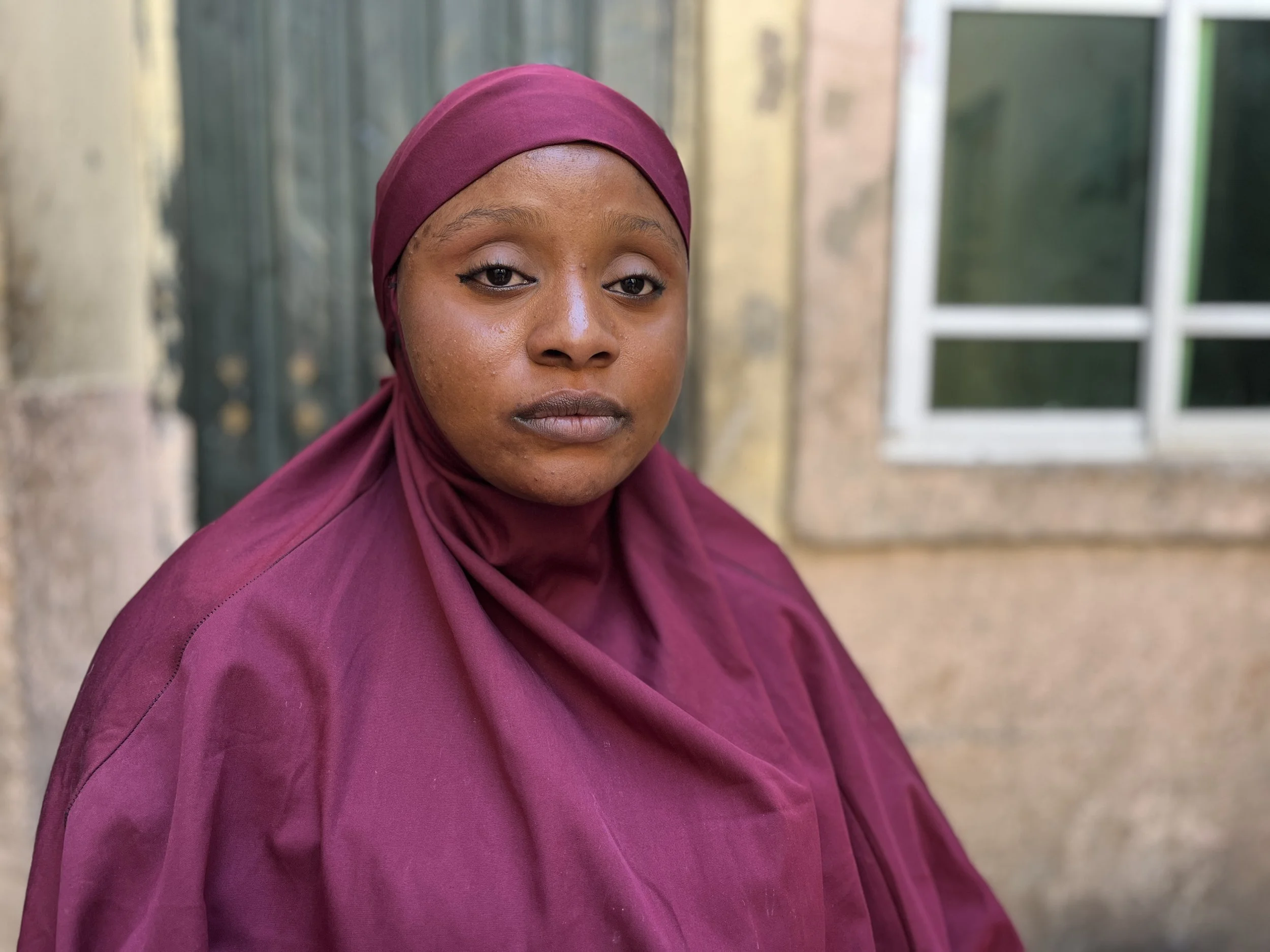
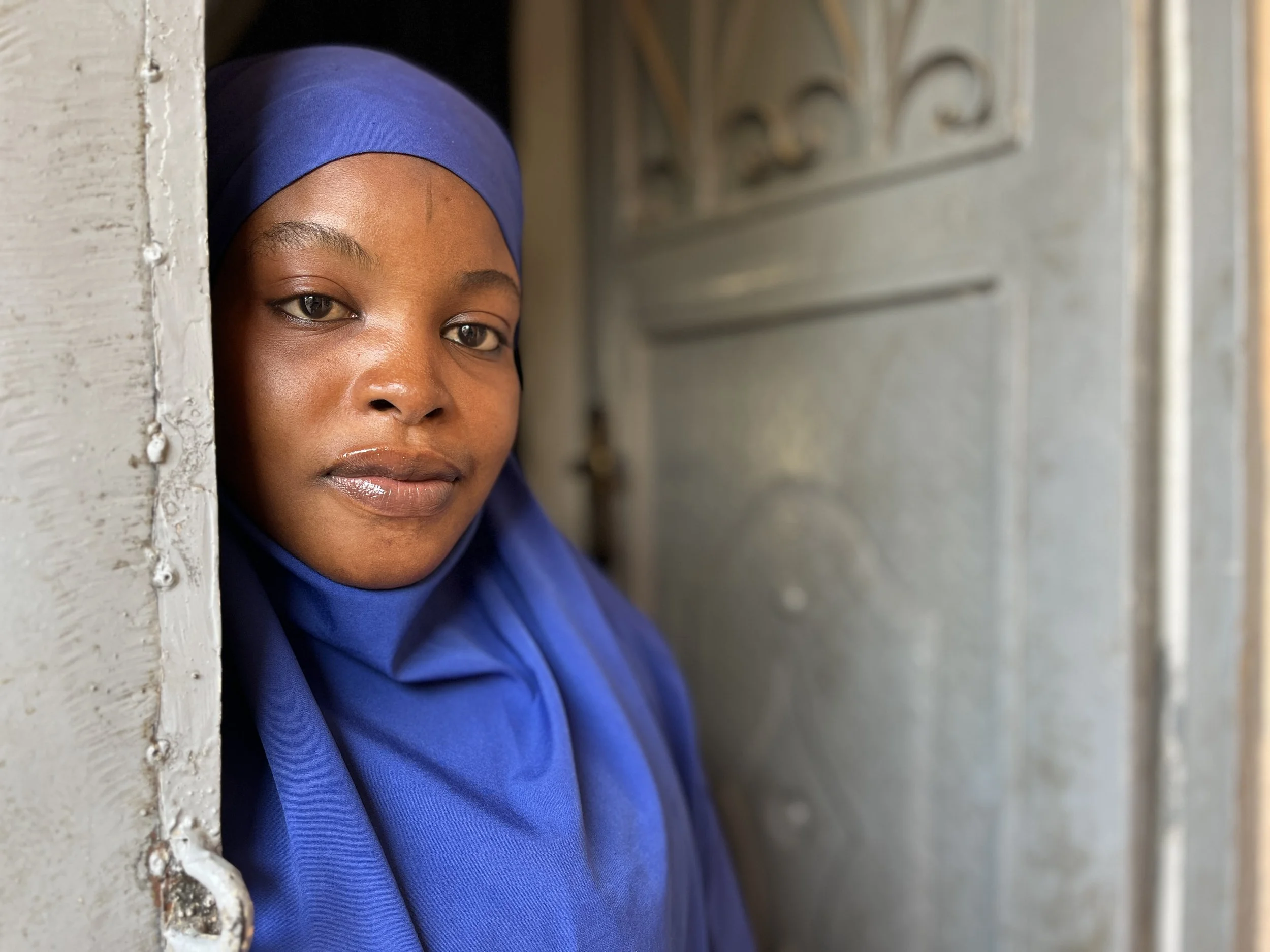
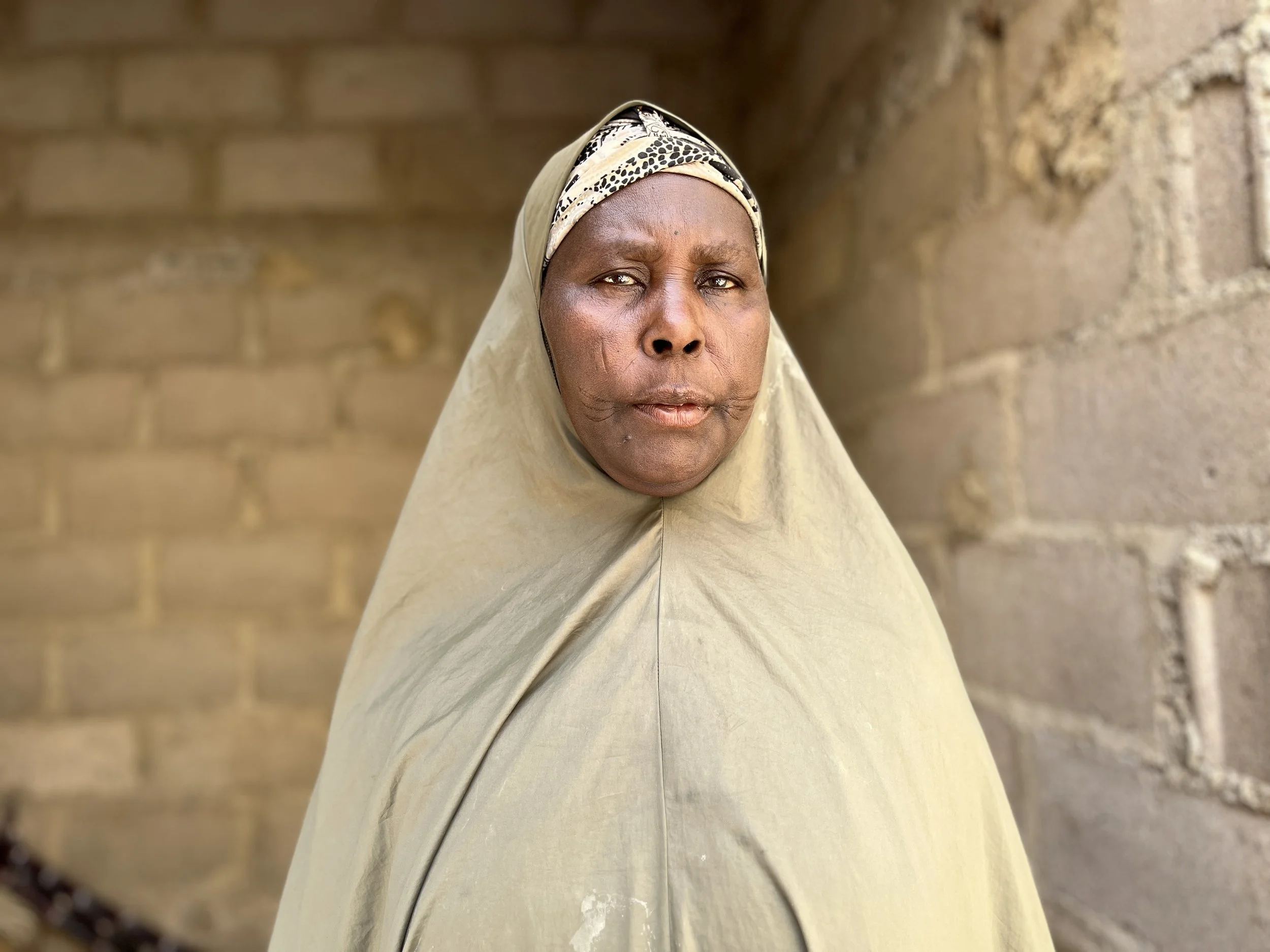
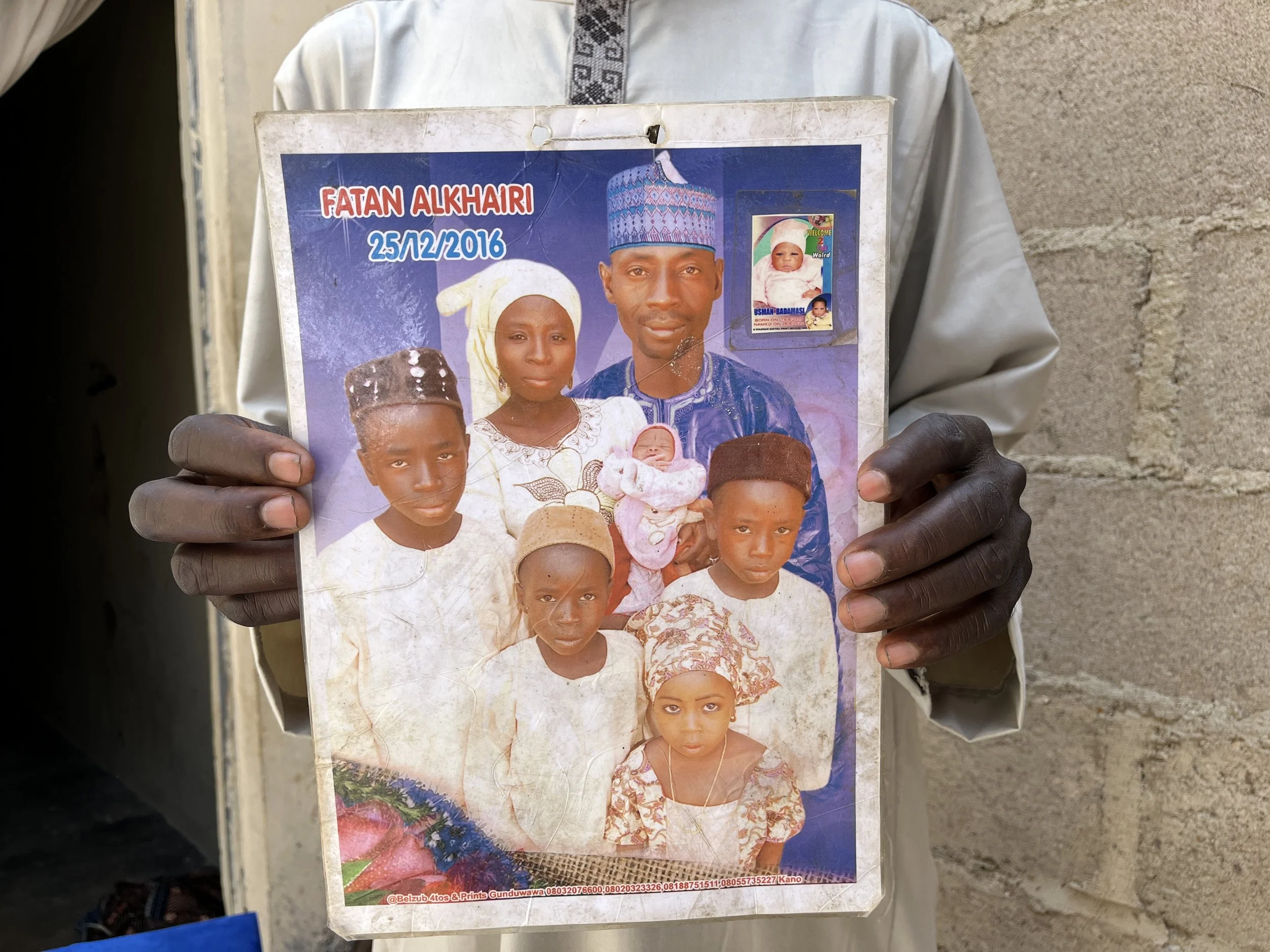
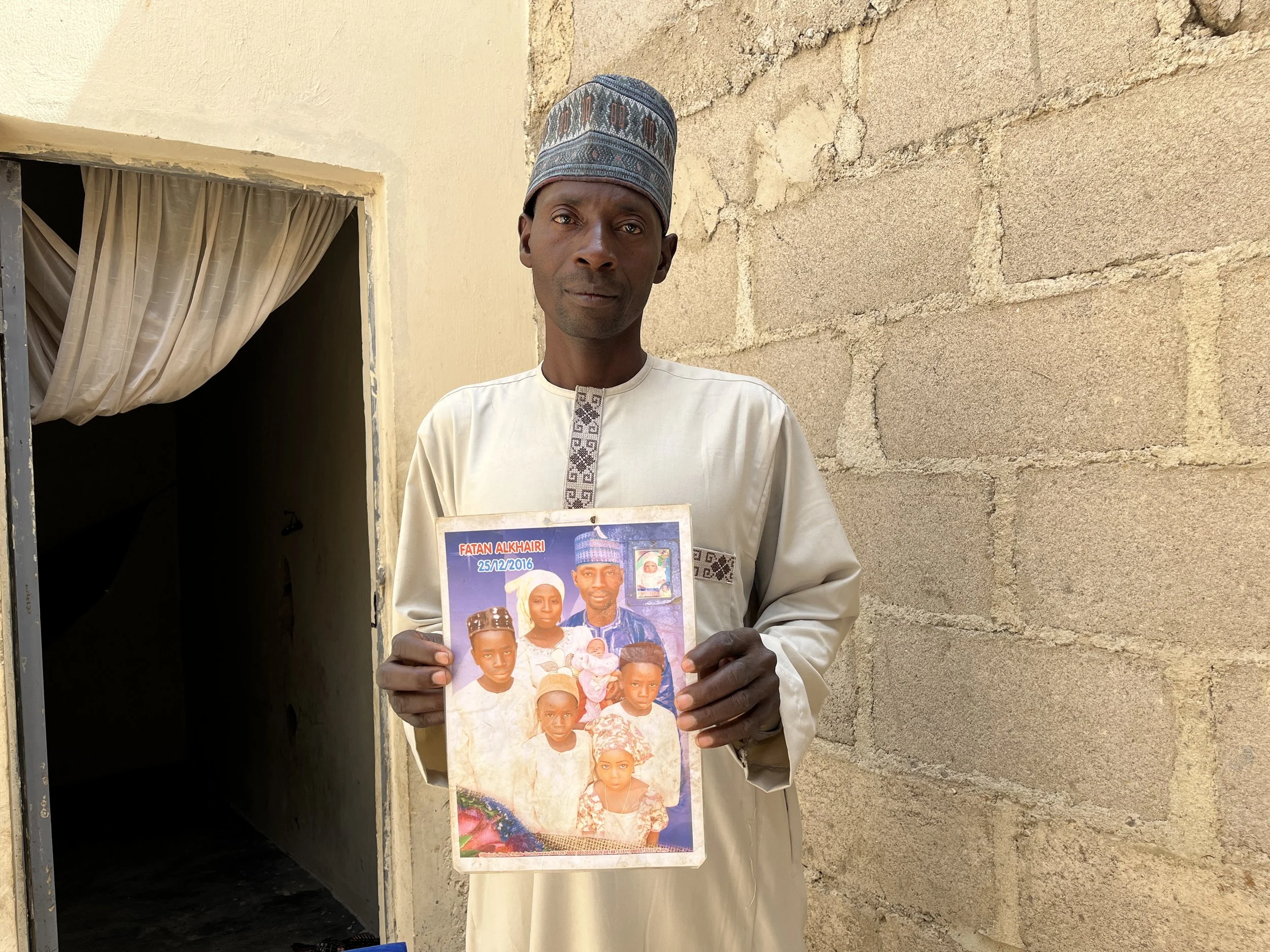
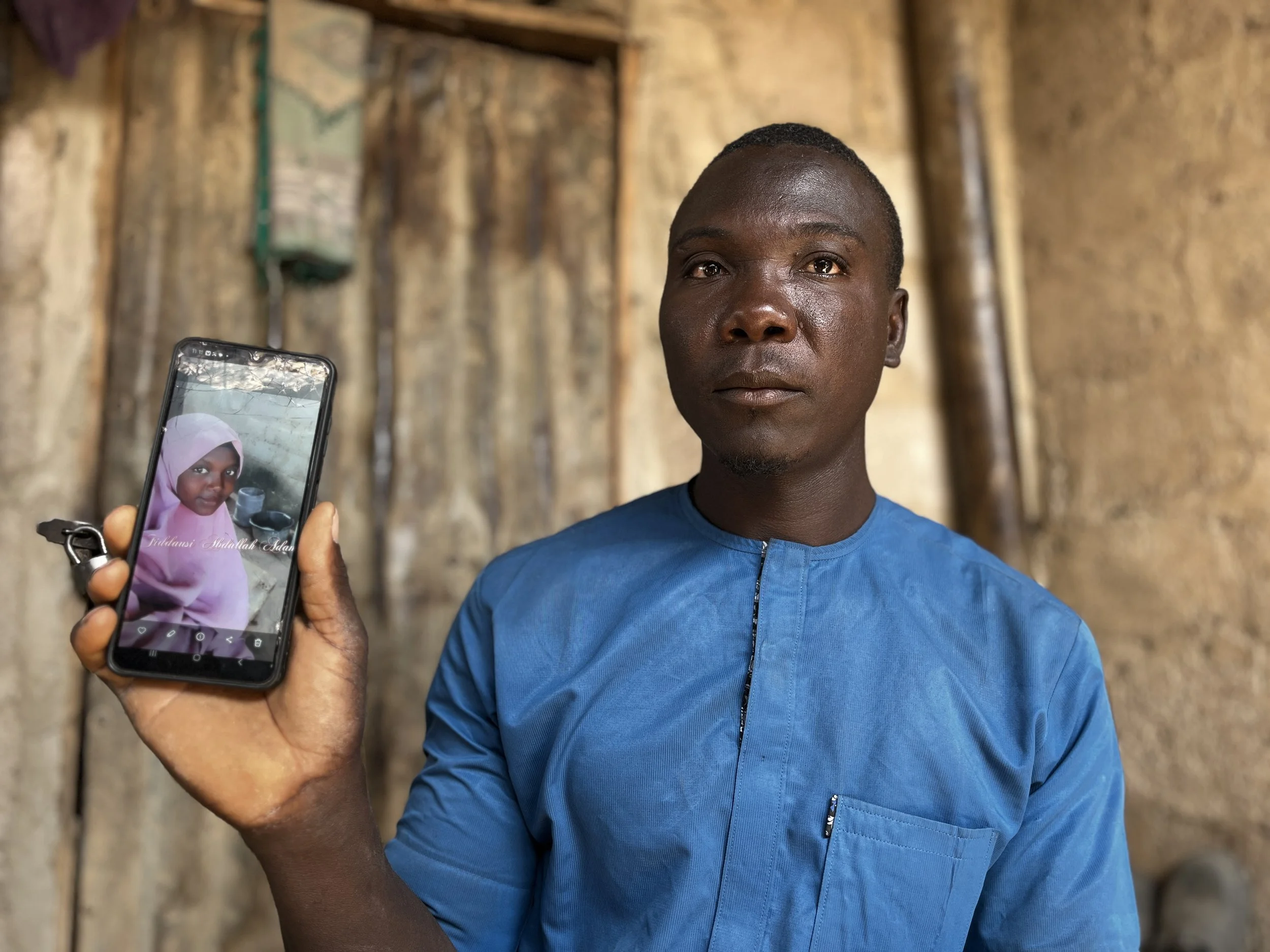
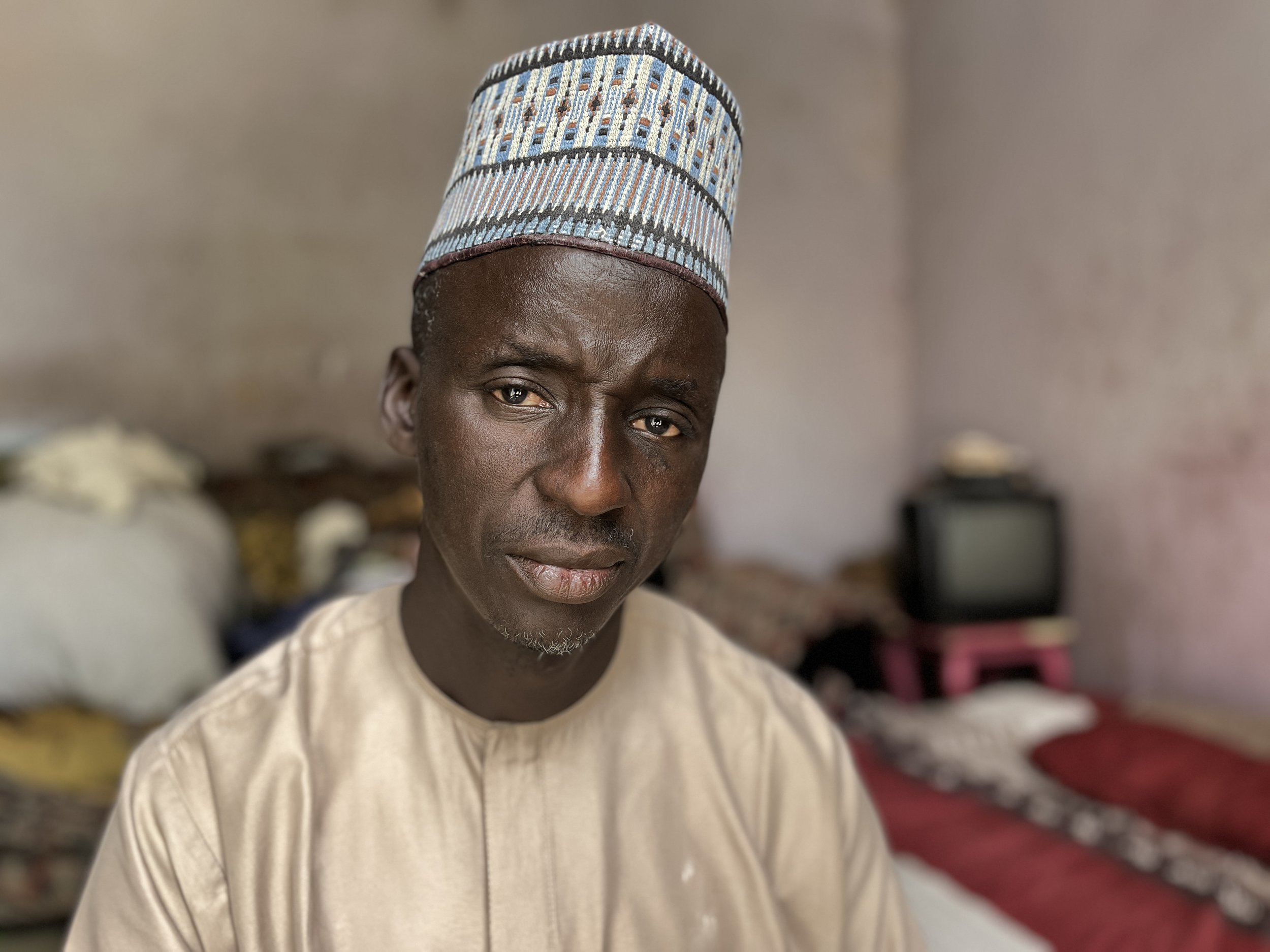
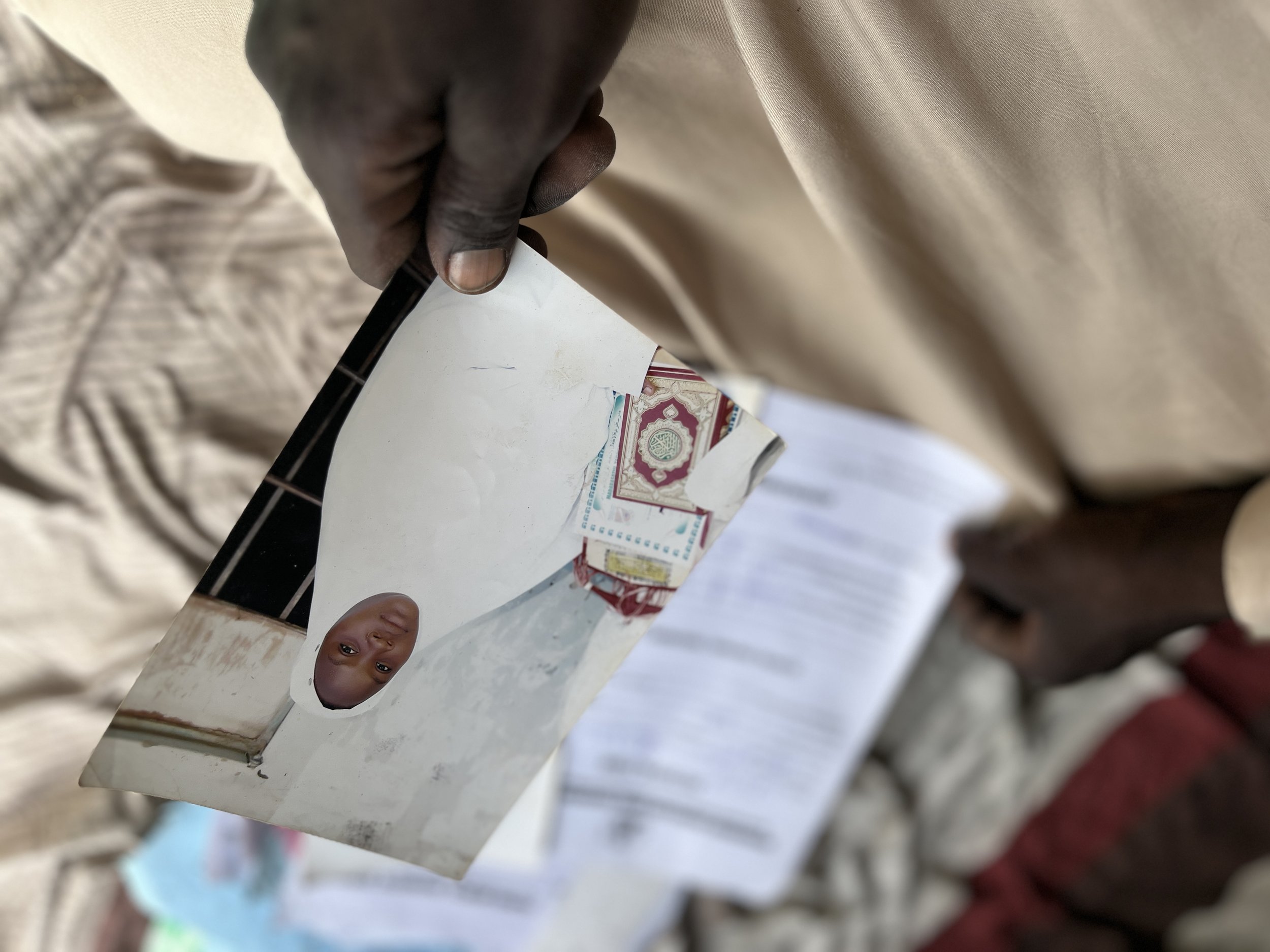
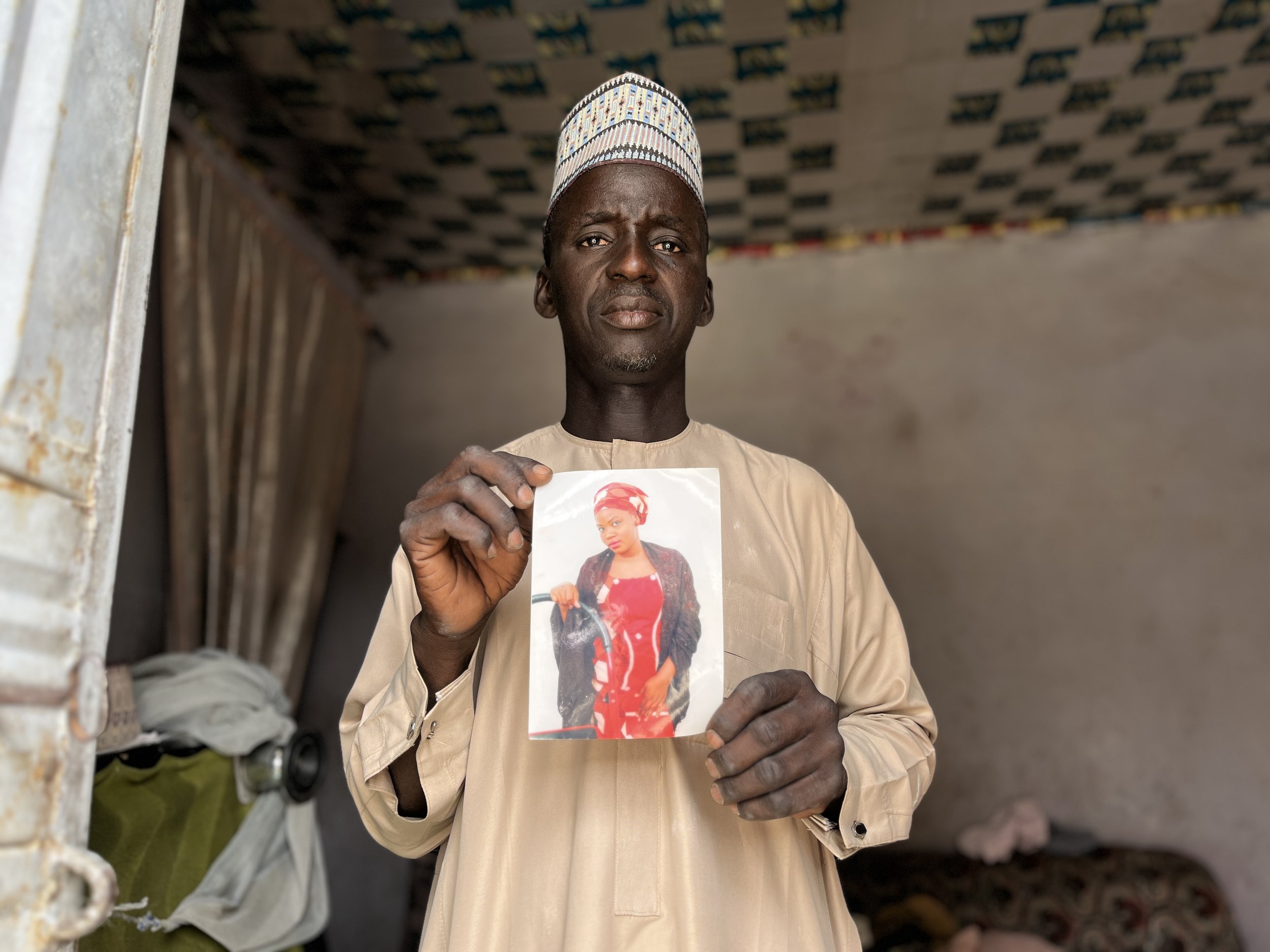
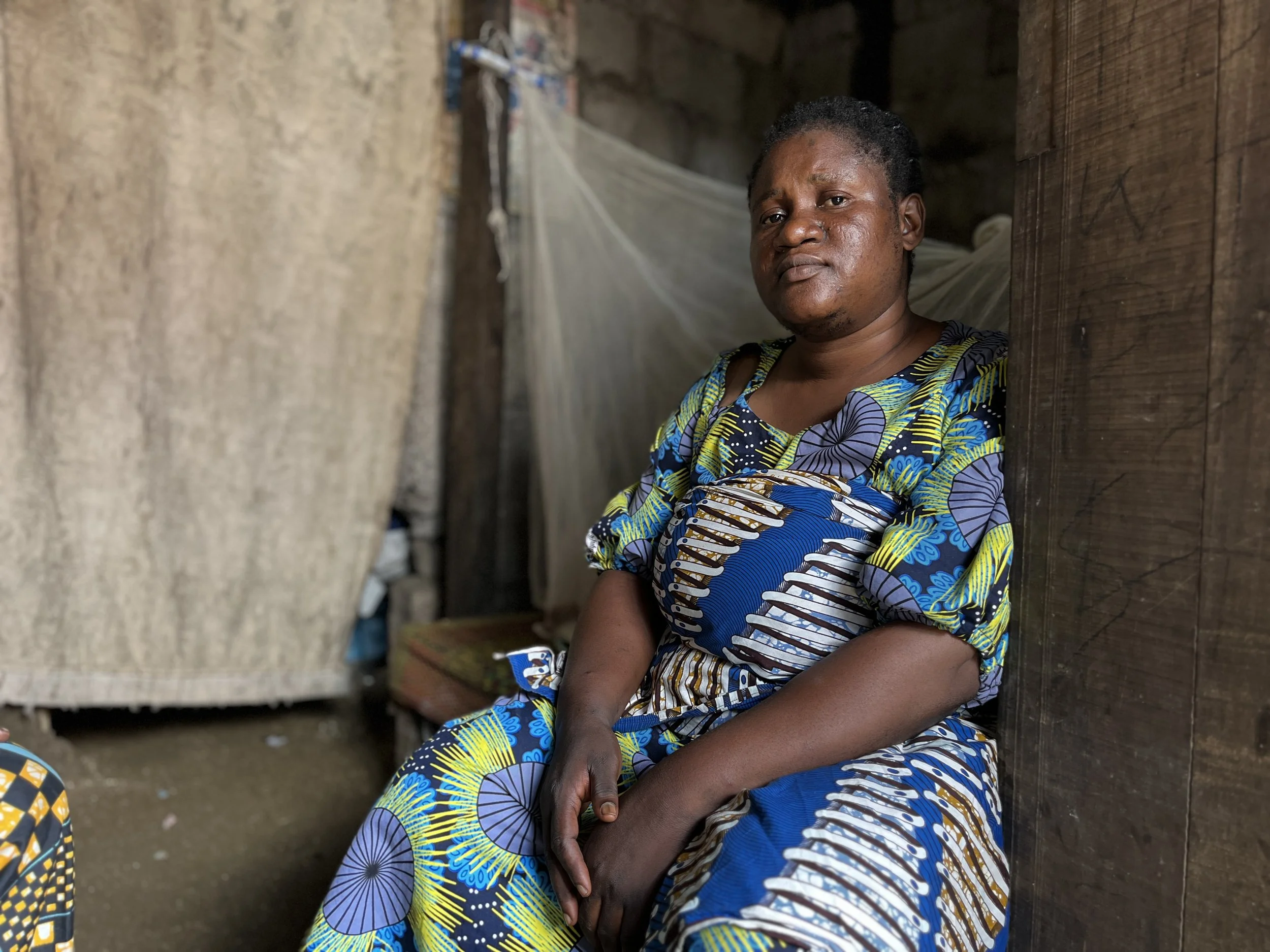
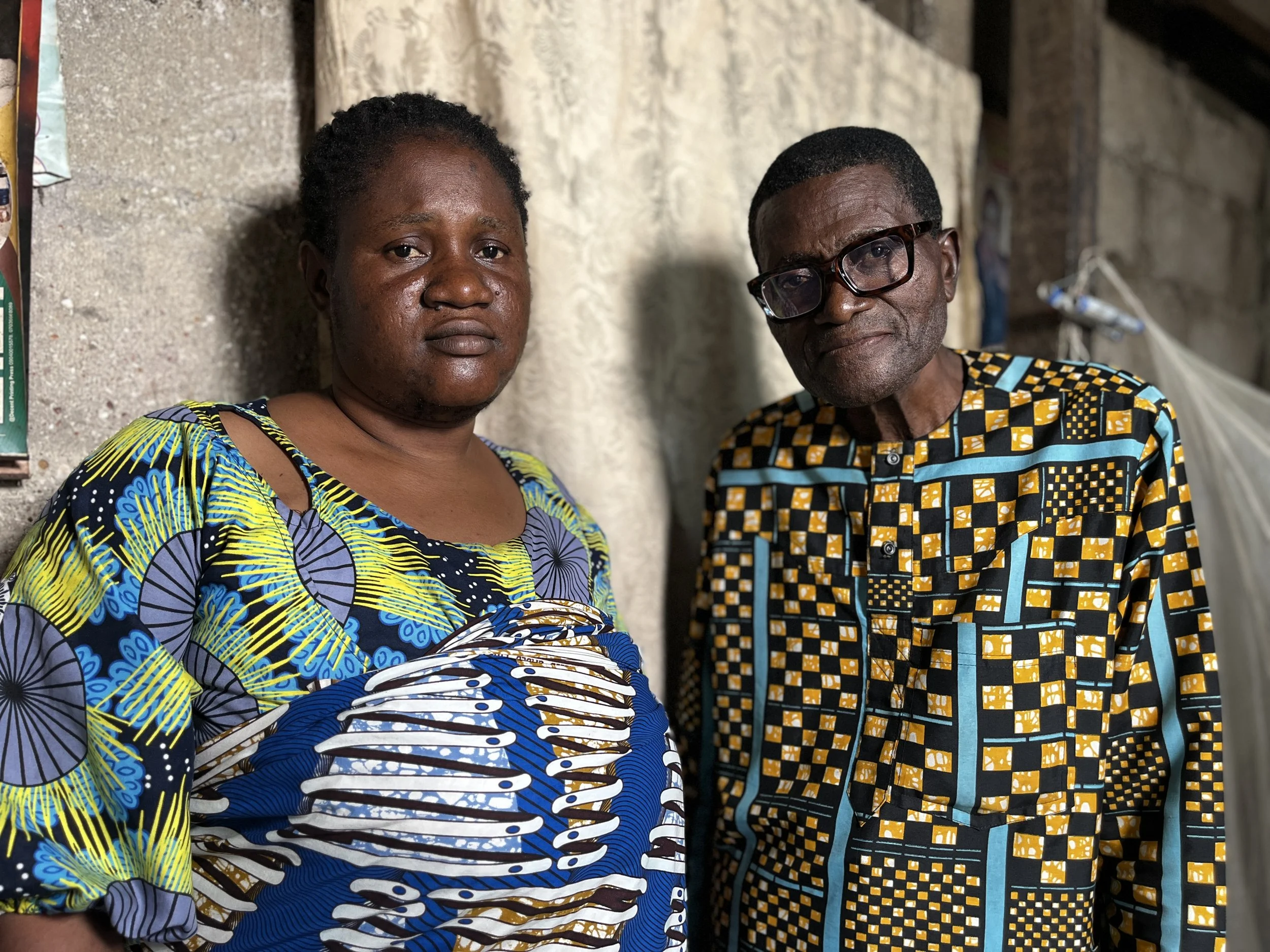
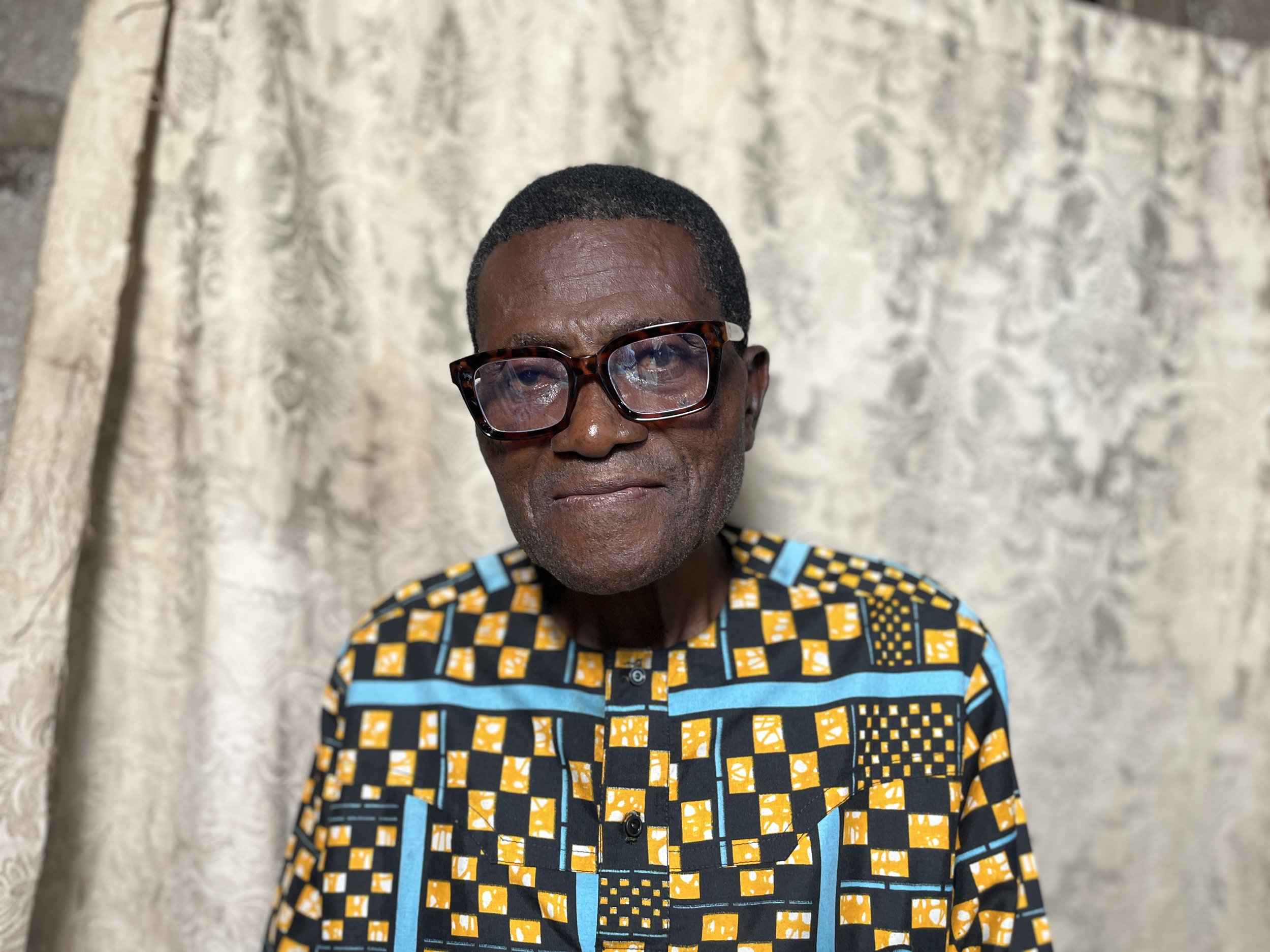
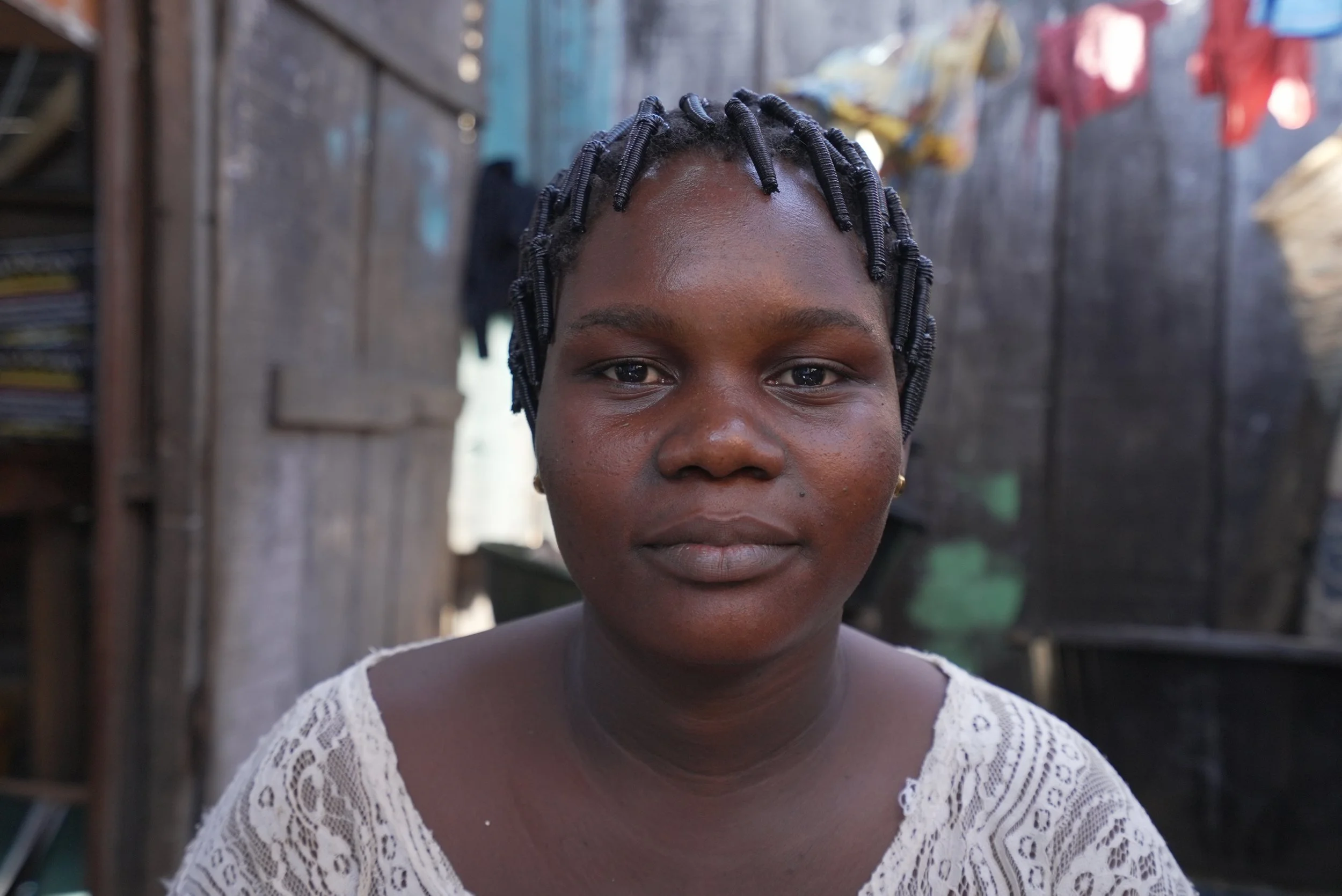
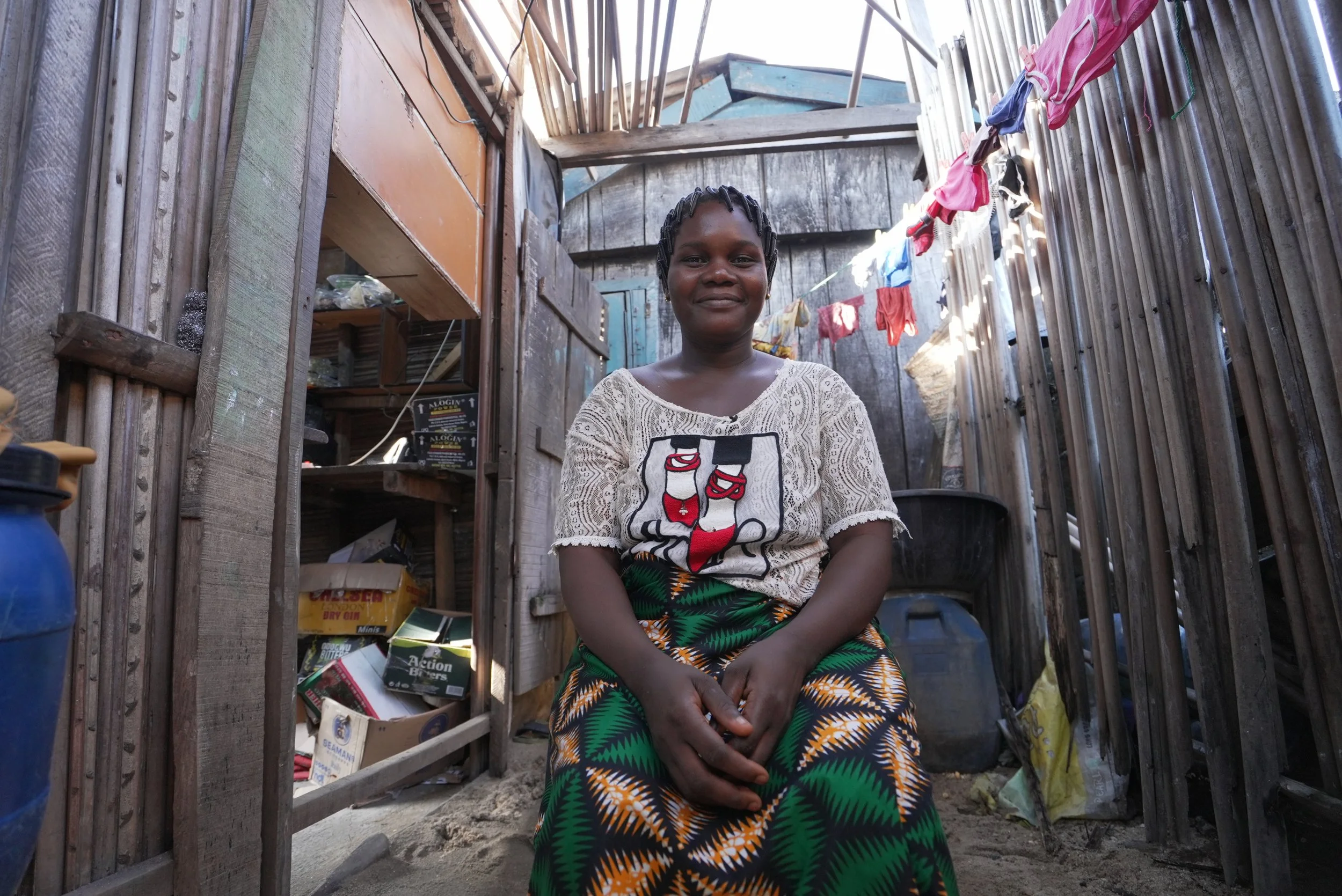
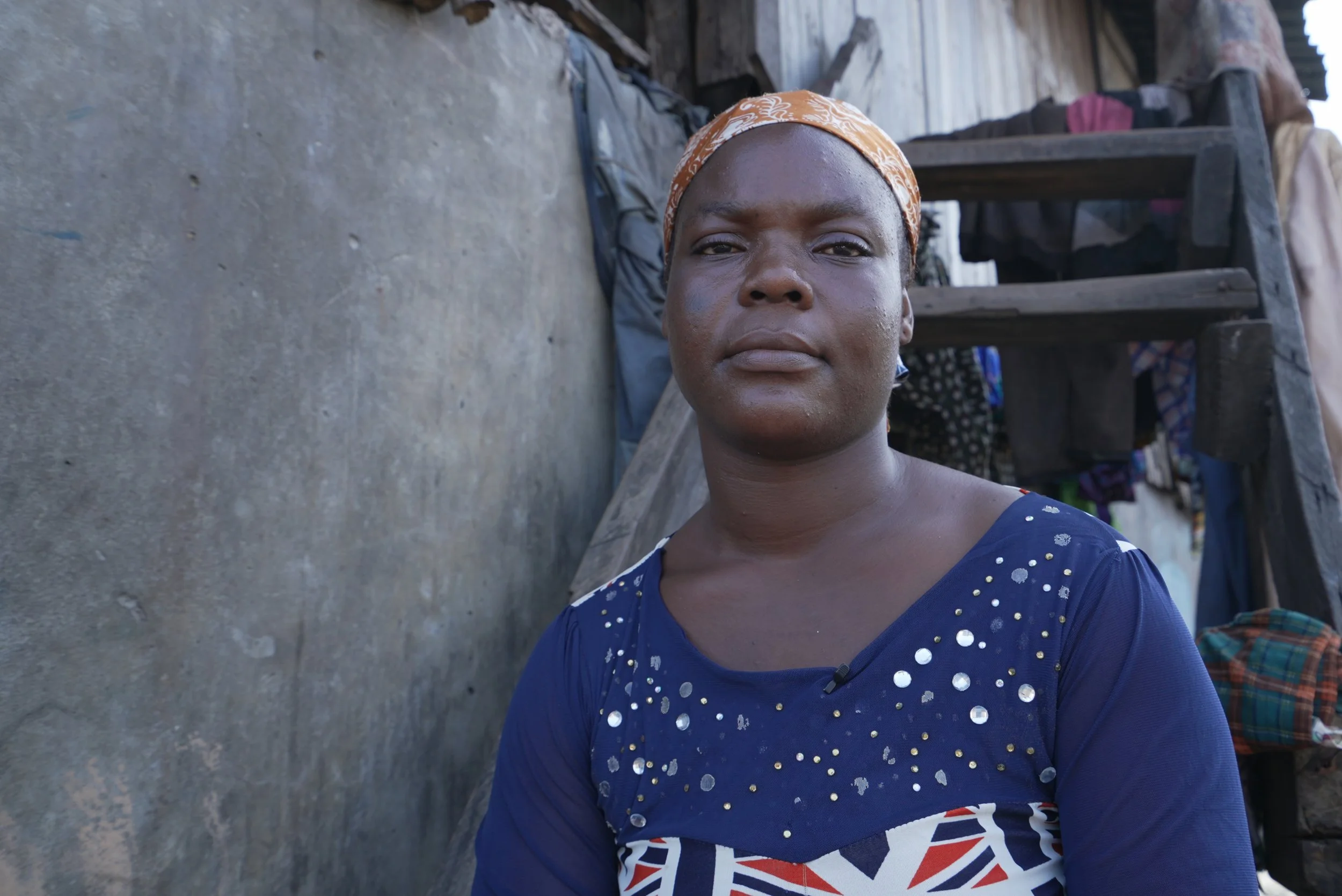
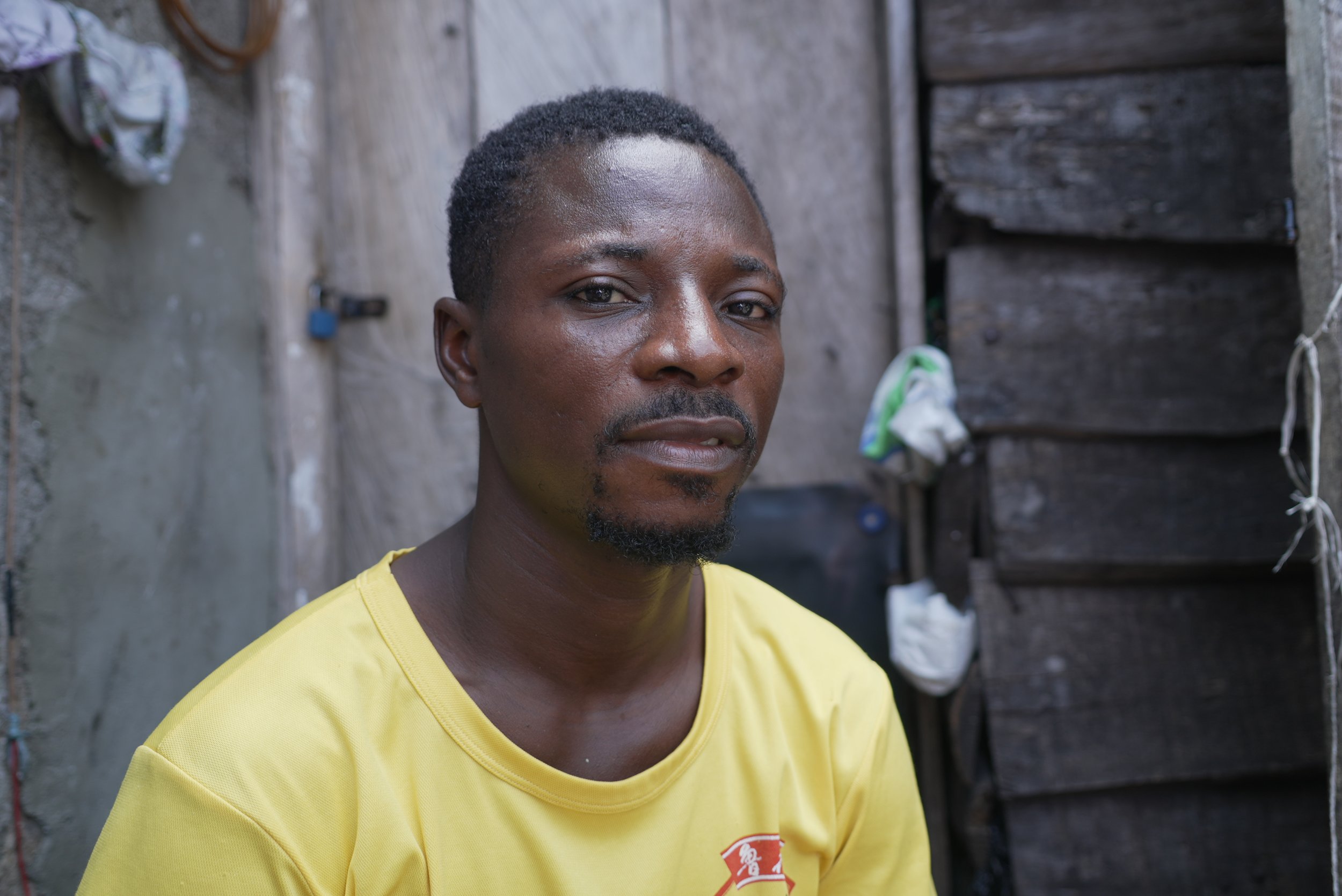
Real Voices. Real Lives.
These are the voices of women, husbands, birth attendants, and community members whose experiences reveal the urgent need for better maternal health information, compassionate care, and accessible healthcare services across Africa.
“Women with caring husbands fare better during pregnancy. When men are not supportive, their pregnant wives suffer a lot.”
“I’ve run a local birth clinic for 41 years and ensuring that pregnant women get the right vitamins makes all the difference.”
“I’ve lost two babies to malaria, and I want to say that pregnant women need care from their partners. It makes a big difference in our lives.”
“I had constant stomach ache all through my pregnancy and it didn't stop till I gave birth.”
“I had malaria and was so sick all through my pregnancy and I'm surprised I didn't die. My baby died after birth, and I've been crying every day since then.”
“I had malaria and my baby didn't survive it because she was infected too. She was 27 days old when she died.”
“I'm afraid of family planning. I've heard that the side effects are bad and that's why I have refused to take it.”
“I've lost two children at birth. If pregnant women get the right information, it will save our lives.”
“My wife died shortly after she gave birth to twins. To date, I don't know the cause of her death and hospital didn't tell me. I leave it to God.”
“My wife died a week after she gave birth. She had eclampsia but she was also neglected by doctor. If negligent doctors are sanctioned when a mother dies, it may serve as deterrent to others.”
“My wife died because she didn't get good care and was discriminated against at the hospital because we are poor.”
“My wife gave birth at home and was helped by a local birth attendant. That same day, she slept and didn't wake up.”
“My mother died nine days after she birth to her 9th child. She had malaria and didn't get good treatment at the hospital.”
“My wife died because there were no nearby hospital and no good road to get to the nearest one.”
“I'm not comfortable going to government hospitals when I'm pregnant, I prefer trado-medical centers.”
“I had all my 12 children at home, but I now tell young women to go to the hospital, it will save their lives.”
“Some nurses don't treat pregnant women well. Some of them don't care and are rude, it's discouraging for pregnant women.”
“It's difficult to get access to nurses and doctors at the government hospital. You must know someone that can help you speak to them.”
“Lack of education is the biggest problem and if more women are educated, they will be able to take better decisions.”
“In my community, we still drink water from the river, and we don't have any good road to the closest hospital.”
Listen to Our Community Health Programs
Iye Africa shares maternal health education through radio and audio programs designed for local communities, including women with limited access to hospitals, clinics, or digital health resources.
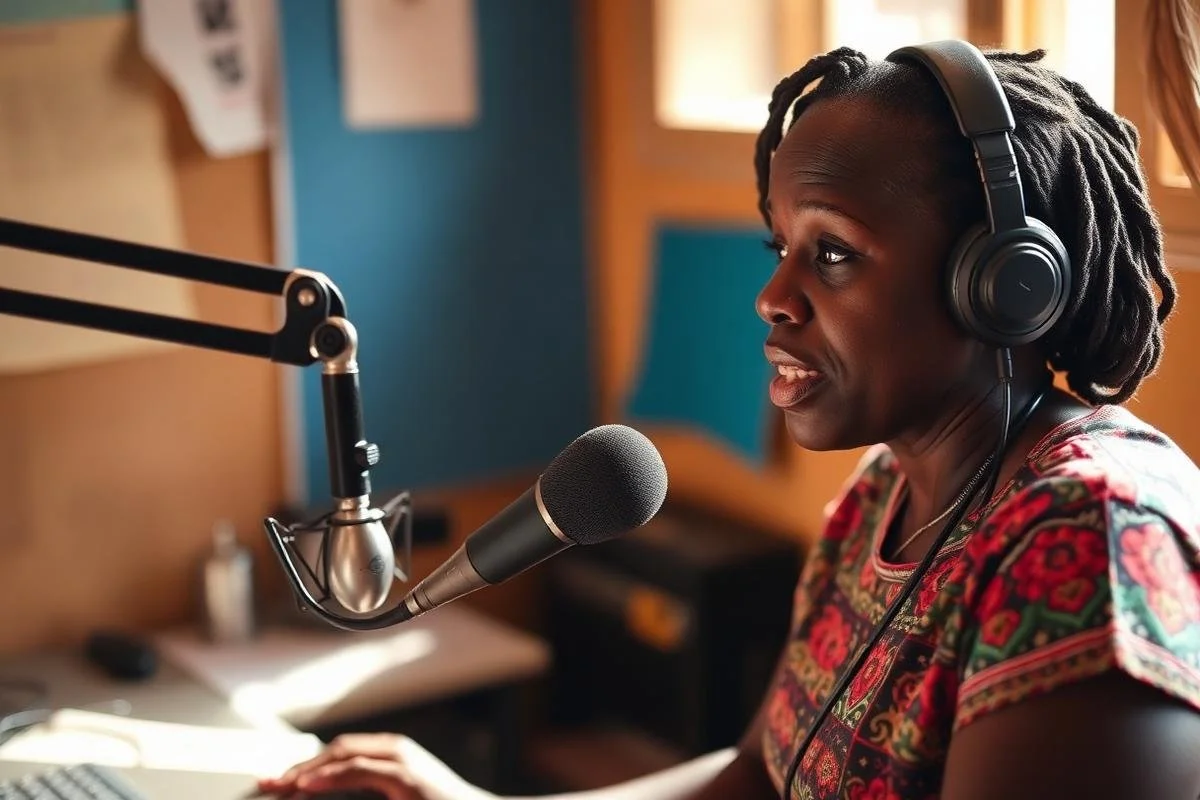
Abiye • Allah Ya Raba Lafiya
Our Spotify radio programs in local languages — pregnancy care, danger signs, malaria prevention and family planning.
Listen on SpotifyIye Africa on YouTube
Watch community stories, health talks and outreach recordings from the field.
Watch on YouTubeStay connected
Follow Iye Africa, watch our stories and listen to our programmes.
CONTACT
Let's talk.
Plot 16 Elegushi Beach Road,
3rd Roundabout Lekki/Epe Expressway,
Lagos, Nigeria

+234 903 444 1385